
When we think of depression, we usually picture someone who is constantly sad and can’t get out of bed. But the reality is different. Many signs of depression are subtle, disguise themselves as everyday stress or tiredness, and that’s exactly why they go unnoticed for months, sometimes even years.
Below we’ve outlined five commonly overlooked signs — not as a substitute for a professional diagnosis, but as a guide for when it might be time to talk to a specialist. According to the World Health Organization, depression is one of the leading causes of disability worldwide, yet it remains widely underdiagnosed.
1. Constant fatigue, even after a good night’s sleep
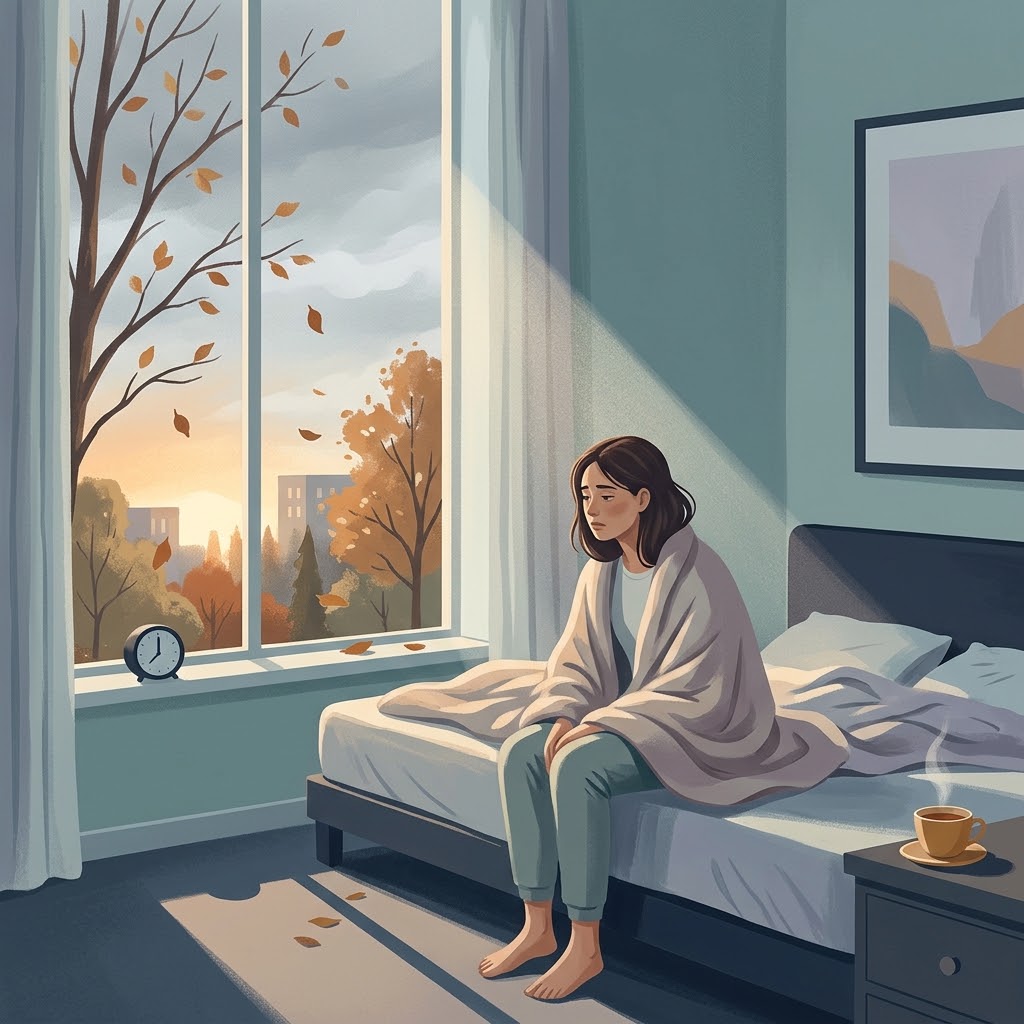
This is one of the most common yet most misunderstood signs of depression. People often say “I’m just tired” or “I’ve been working too much,” while fatigue that doesn’t go away even after rest can be a sign that the brain is spending energy coping with an emotional burden.
2. Losing interest in things you used to enjoy
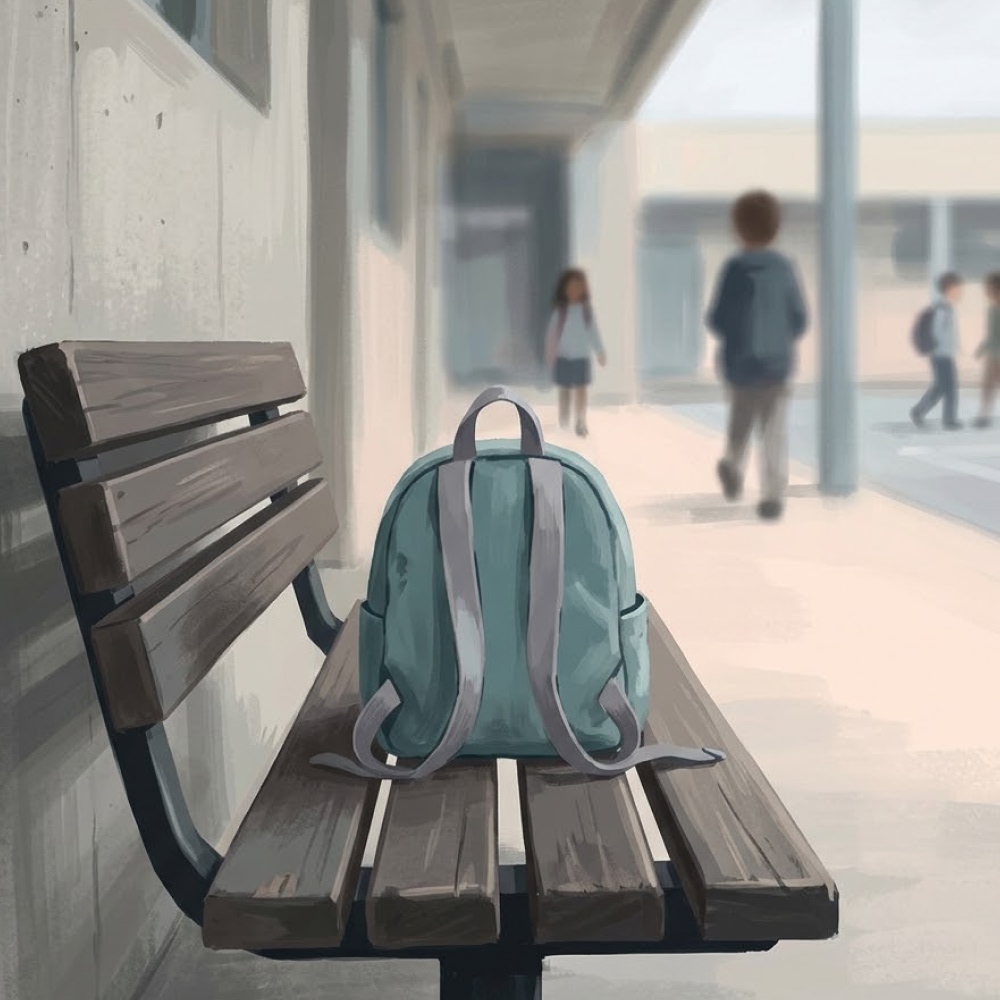
Psychologists call this anhedonia — a reduced ability to feel pleasure. Hobbies, socializing, food that once brought you joy, suddenly feel “not that important” anymore. This is closely tied to what our article on the difference between sadness and depression explains in more detail.
3. Appetite and sleep changes: physical signs of depression
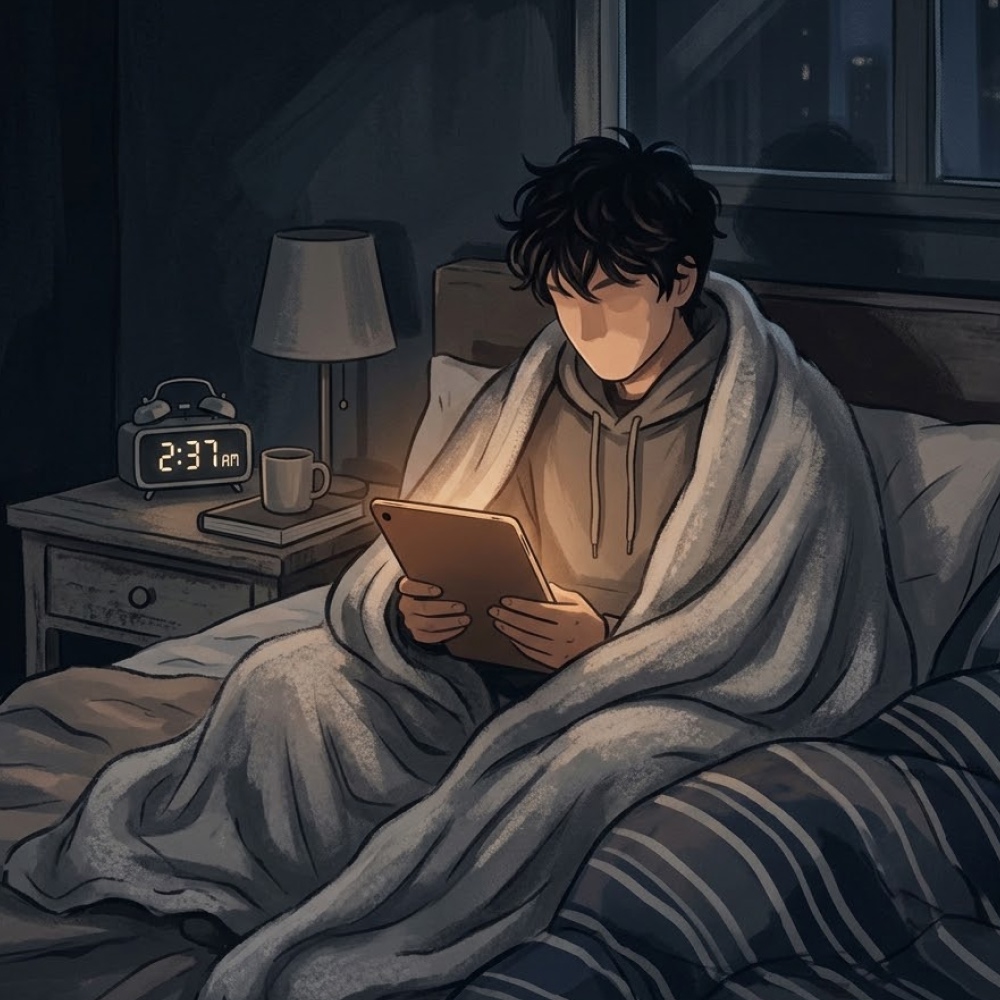
Depression doesn’t look the same for everyone. For some people it causes oversleeping and increased appetite, for others — insomnia and loss of appetite. The key thing to notice is a change from your usual routine.
4. Difficulty concentrating or making decisions
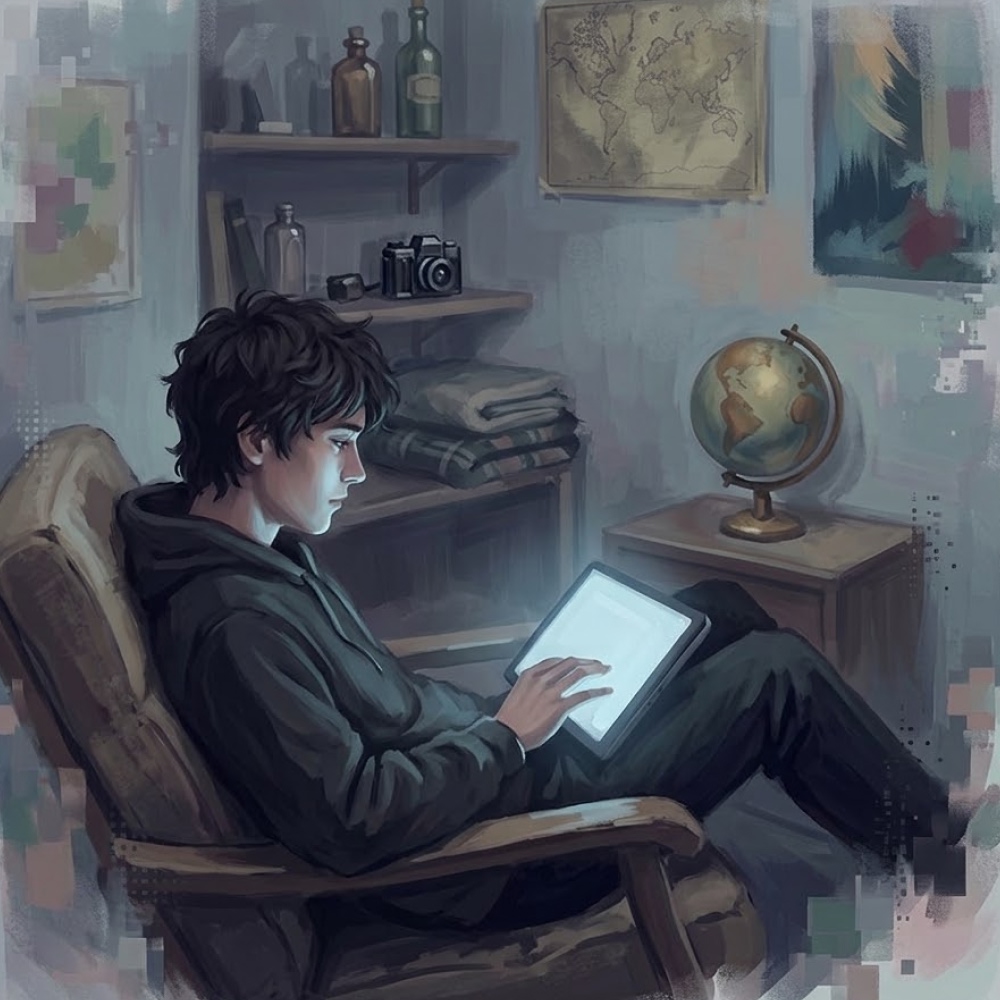
If you notice that simple decisions (what to eat, what to wear) suddenly take up a lot more energy than they used to, or that you can’t focus on work or studying like before — this can be linked to depression, not just a “bad day.”
5. Irritability: signs of depression that don’t look like sadness
For many people, especially men, depression doesn’t show up as sadness but as irritability, impatience, or anger without a clear reason. This is often mistaken for a personality trait rather than recognized as a symptom. The American Psychiatric Association notes that symptom patterns can vary significantly by gender and age.
When to seek help for signs of depression
If you recognize several of these signs in yourself or someone close to you, and they last longer than two weeks, it’s worth talking to a doctor or therapist. Early recognition makes a big difference — read more in our guide on when anxiety and depression overlap.