Recognizing depression symptoms early can make all the difference in getting the right support. Depression is one of the most common mental health conditions in the world, yet it’s still widely misunderstood – it’s not just “feeling sad” or “having a bad week.” According to the World Health Organization, depression affects millions of people worldwide and is a leading cause of disability globally.
At Depstress, we believe understanding depression symptoms is the first step toward healing. In this article, we’ll walk through what depression actually is, the signs to watch for, what causes it, and where to find support if you or someone you love is struggling. If you’re also navigating anxiety alongside depression, take a look at our guide to anxiety as well.
What Is Depression?
Depression, also known as major depressive disorder, is a mental health condition that causes a persistent feeling of sadness, emptiness, or loss of interest in activities a person once enjoyed. Unlike normal mood fluctuations that come and go with life’s ups and downs, depression tends to last for weeks, months, or longer, and it can interfere with work, relationships, and everyday tasks.
Depression isn’t a sign of weakness, and it isn’t something a person can simply “snap out of.” It’s a legitimate health condition that often requires support, treatment, or both.
Common Depression Symptoms to Watch For
Depression looks different for everyone, but there are common depression symptoms that tend to show up. These include:
- Persistent sadness, emptiness, or hopelessness
- Loss of interest in hobbies or activities once enjoyed
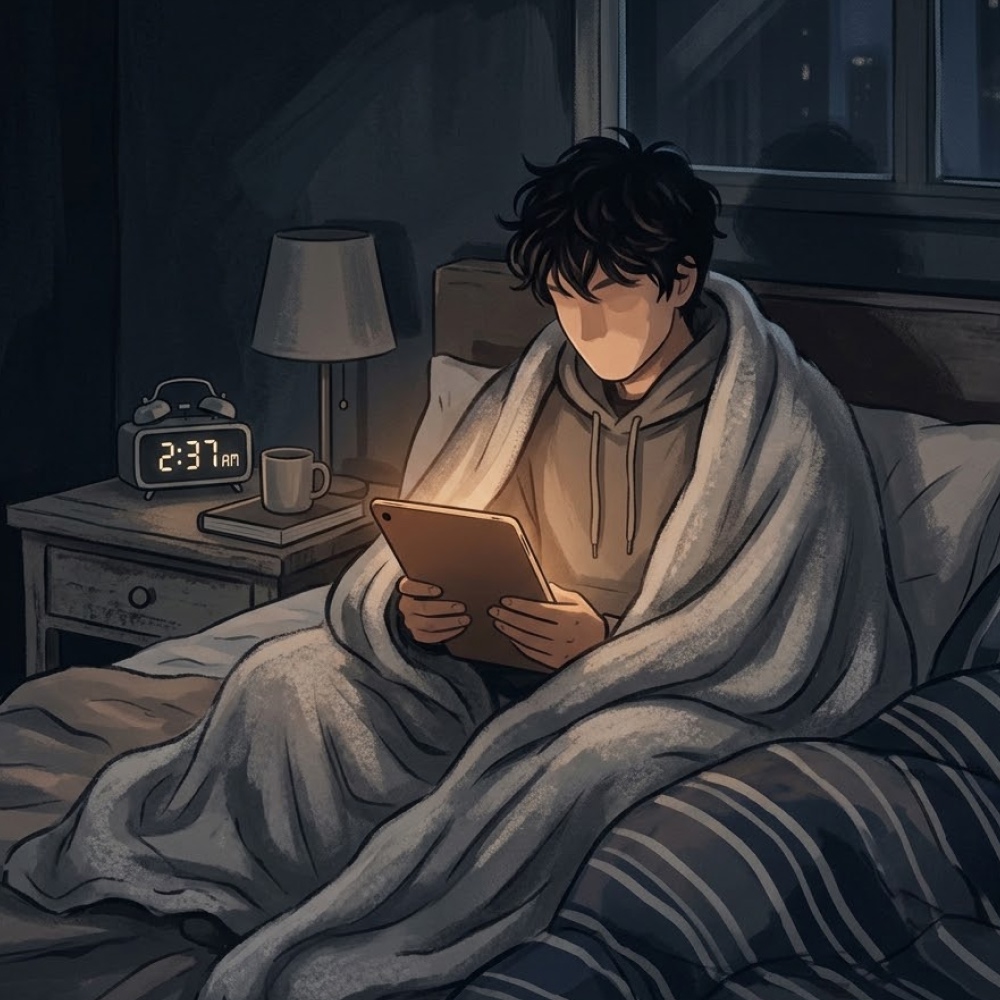
- Changes in sleep – sleeping too much or too little
- Fatigue or low energy, even after rest
- Difficulty concentrating or making decisions
- Changes in appetite or weight
- Feelings of worthlessness or excessive guilt
- Irritability or restlessness
- Physical aches or pains with no clear cause
- Thoughts of death or self-harm
If several of these symptoms last for two weeks or longer and start affecting daily life, it may be a sign of clinical depression rather than a temporary low mood.
What Causes Depression?
There’s rarely a single cause of depression. Instead, it usually develops from a combination of factors, including:
Biological factors – Changes in brain chemistry, hormones, or genetics can play a role in how a person experiences mood and stress.
Life circumstances – Trauma, grief, chronic stress, financial difficulty, or major life changes can trigger or worsen depressive symptoms.
Health conditions – Chronic illness, chronic pain, or other mental health conditions like anxiety often occur alongside depression.
Isolation – A lack of social support or feeling disconnected from others can deepen feelings of depression over time.
Understanding that depression is rarely caused by “just one thing” can help reduce the guilt or self-blame many people feel when they’re struggling.
How Depression Symptoms Affect Daily Life
Depression doesn’t just affect mood – it can touch nearly every part of a person’s life. Simple tasks like getting out of bed, showering, or replying to a text message can start to feel overwhelming. Relationships may become strained as a person withdraws from friends and family. Work or school performance can suffer due to trouble focusing or lack of motivation.
Recognizing these patterns – in yourself or someone close to you – is an important step toward getting the right kind of help.
When to Seek Support
It’s not always easy to know when depression has crossed the line from “a hard time” to something that needs professional support. A good rule of thumb: if symptoms last more than two weeks, are getting worse, or are interfering with your ability to function, it’s time to reach out for help.
You don’t have to wait until things feel unbearable to ask for support. Early support often makes recovery easier.
How to Find the Right Support
Finding support for depression can feel overwhelming, especially when you’re already exhausted. Here are a few starting points:
- Talk to a professional. Therapists, counselors, and psychiatrists are trained to help you understand what you’re experiencing and build a path forward.
- Reach out to people you trust. Sometimes just telling someone how you feel can lighten the weight of carrying it alone.
- Explore community and peer support. Support groups – in person or online – connect you with others who understand what you’re going through.
- Build small, sustainable habits. Sleep, movement, and nutrition won’t cure depression on their own, but they can support the recovery process.
- Use trusted resources. At Depstress, we offer guidance and resources across a range of mental health categories, including depression, anxiety, and psychosis, so you don’t have to navigate it alone.
You Don’t Have to Face It Alone
Depression can make you feel isolated, but support is always closer than it seems. Whether you’re just starting to notice symptoms in yourself or you’re supporting someone else through it, understanding depression is a powerful first step toward healing.
At Depstress, we’re here to help you find clarity, resources, and support – one step at a time.
Depression is one of the most common mental health conditions in the world, yet it’s still widely misunderstood. It’s not just “feeling sad” or “having a bad week.” Depression is a real, diagnosable condition that affects how a person thinks, feels, and functions in daily life – and it can happen to anyone, regardless of age, background, or circumstances.
At Depstress, we believe understanding depression is the first step toward healing. In this article, we’ll walk through what depression actually is, the signs to watch for, what causes it, and where to find support if you or someone you love is struggling.
What Is Depression?
Depression, also known as major depressive disorder, is a mental health condition that causes a persistent feeling of sadness, emptiness, or loss of interest in activities a person once enjoyed. Unlike normal mood fluctuations that come and go with life’s ups and downs, depression tends to last for weeks, months, or longer, and it can interfere with work, relationships, and everyday tasks.
Depression isn’t a sign of weakness, and it isn’t something a person can simply “snap out of.” It’s a legitimate health condition that often requires support, treatment, or both.
Common Signs and Symptoms of Depression
Depression looks different for everyone, but there are common symptoms that tend to show up. These include:
- Persistent sadness, emptiness, or hopelessness
- Loss of interest in hobbies or activities once enjoyed
- Changes in sleep – sleeping too much or too little
- Fatigue or low energy, even after rest
- Difficulty concentrating or making decisions
- Changes in appetite or weight
- Feelings of worthlessness or excessive guilt
- Irritability or restlessness
- Physical aches or pains with no clear cause
- Thoughts of death or self-harm
If several of these symptoms last for two weeks or longer and start affecting daily life, it may be a sign of clinical depression rather than a temporary low mood.
What Causes Depression?
There’s rarely a single cause of depression. Instead, it usually develops from a combination of factors, including:
Biological factors – Changes in brain chemistry, hormones, or genetics can play a role in how a person experiences mood and stress.
Life circumstances – Trauma, grief, chronic stress, financial difficulty, or major life changes can trigger or worsen depressive symptoms.
Health conditions – Chronic illness, chronic pain, or other mental health conditions like anxiety often occur alongside depression.
Isolation – A lack of social support or feeling disconnected from others can deepen feelings of depression over time.
Understanding that depression is rarely caused by “just one thing” can help reduce the guilt or self-blame many people feel when they’re struggling.
How Depression Affects Daily Life
Depression doesn’t just affect mood – it can touch nearly every part of a person’s life. Simple tasks like getting out of bed, showering, or replying to a text message can start to feel overwhelming. Relationships may become strained as a person withdraws from friends and family. Work or school performance can suffer due to trouble focusing or lack of motivation.
Recognizing these patterns – in yourself or someone close to you – is an important step toward getting the right kind of help.
When to Seek Support
It’s not always easy to know when depression has crossed the line from “a hard time” to something that needs professional support. A good rule of thumb: if symptoms last more than two weeks, are getting worse, or are interfering with your ability to function, it’s time to reach out for help.
You don’t have to wait until things feel unbearable to ask for support. Early support often makes recovery easier.
How to Find the Right Support
Finding support for depression can feel overwhelming, especially when you’re already exhausted. Here are a few starting points:
- Talk to a professional. Therapists, counselors, and psychiatrists are trained to help you understand what you’re experiencing and build a path forward.
- Reach out to people you trust. Sometimes just telling someone how you feel can lighten the weight of carrying it alone.
- Explore community and peer support. Support groups – in person or online – connect you with others who understand what you’re going through.
- Build small, sustainable habits. Sleep, movement, and nutrition won’t cure depression on their own, but they can support the recovery process.
- Use trusted resources. At Depstress, we offer guidance and resources across a range of mental health categories, including depression, anxiety, and psychosis, so you don’t have to navigate it alone.
You Don’t Have to Face It Alone
Depression can make you feel isolated, but support is always closer than it seems. Whether you’re just starting to notice symptoms in yourself or you’re supporting someone else through it, understanding depression is a powerful first step toward healing.
At Depstress, we’re here to help you find clarity, resources, and support – one step at a time.