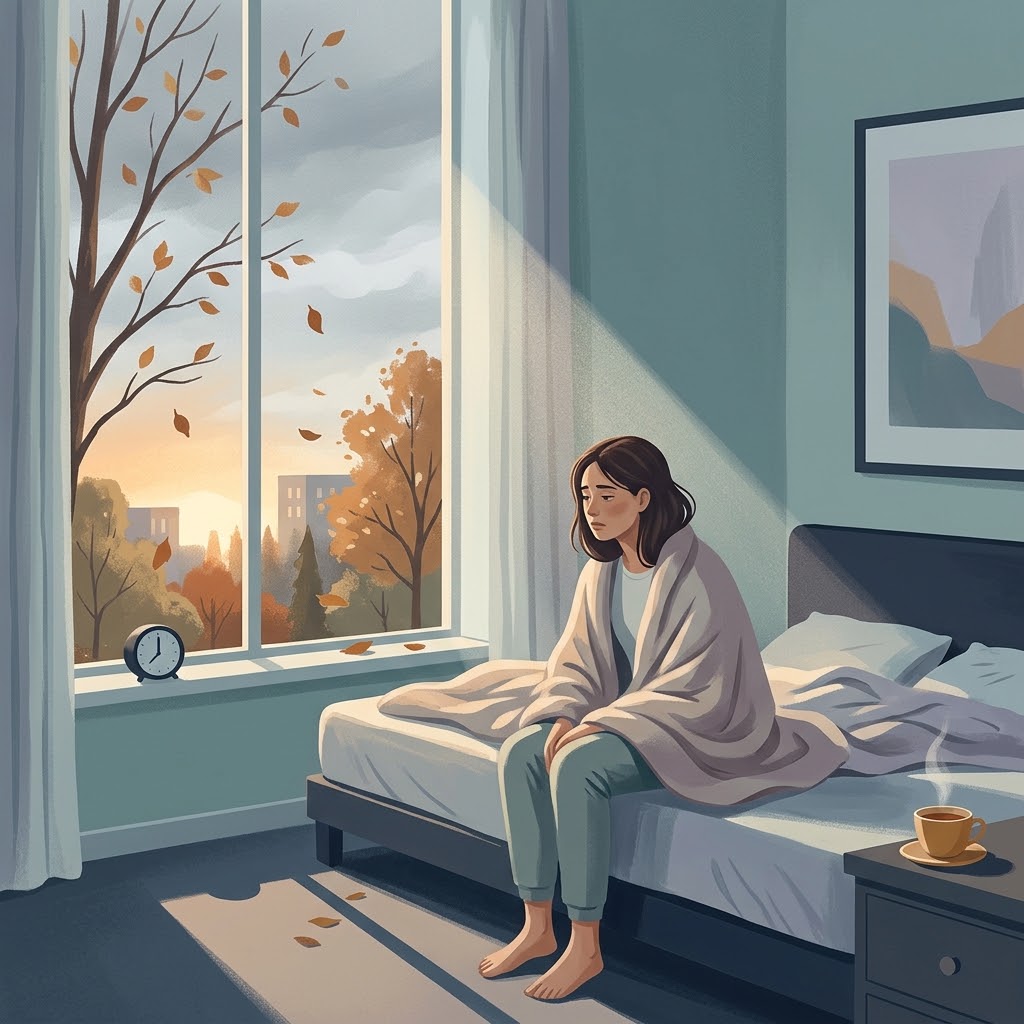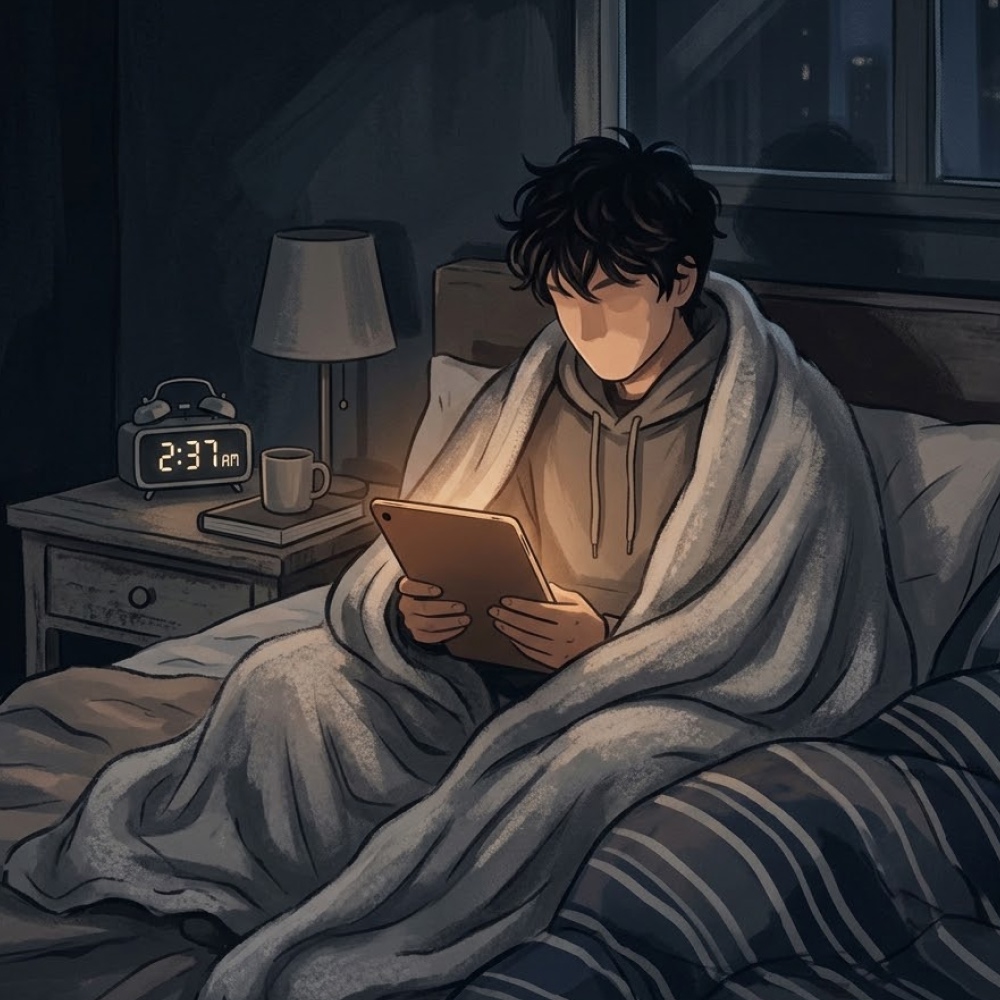
Everyone feels down sometimes. A bad week, a breakup, a rough day at work. But how do you know if you’re just sad or depressed in a way that needs more attention? The answer usually comes down to one thing: time.
Sad or Depressed? Start With Duration
Sadness tends to have a clear cause and fades as life moves on. Depression often lingers for weeks, sometimes without an obvious trigger, and doesn’t lift just because something good happens. According to the Mayo Clinic, depression is diagnosed when symptoms persist for at least two weeks and interfere with daily life.
Beyond Duration: What Else Changes
Sadness usually leaves your energy, appetite, and sleep mostly intact. Depression tends to touch all three at once, along with motivation and concentration. That’s often the clearest sign something bigger is happening.
Sad vs. Depressed: A Quick Comparison
| Sign | Sadness | Depression |
|---|---|---|
| Duration | Days, tied to an event | Two weeks or more, often no clear cause |
| Energy and sleep | Usually stays normal | Often disrupted in both directions |
| Response to good news | Mood can lift | Little to no change in mood |
| Daily functioning | Mostly unaffected | Work, relationships, or self-care suffer |
When to Take the Next Step
If you’ve been stuck on sad or depressed for more than a couple of weeks, it’s worth treating that question seriously rather than waiting for things to sort themselves out. Depression rarely resolves just by pushing through it, and reaching out early tends to make recovery easier, not harder.
The Bottom Line
If you’re still asking yourself sad or depressed after reading this, that uncertainty alone is worth paying attention to. A conversation with a doctor or therapist can give you a clearer answer than any checklist.
Want to understand more about what depression can look like day to day? Read our guide on Anxiety Trick: The Secret Your Brain Plays for a related look at how the mind works against us.against us.