IfIf your heart is racing and you can’t catch your breath, is it a panic attack, or just anxiety spiking out of control? Many people use these terms interchangeably, but understanding the difference between panic attacks vs anxiety can help you respond the right way — and know when to get support.
What Is Anxiety?
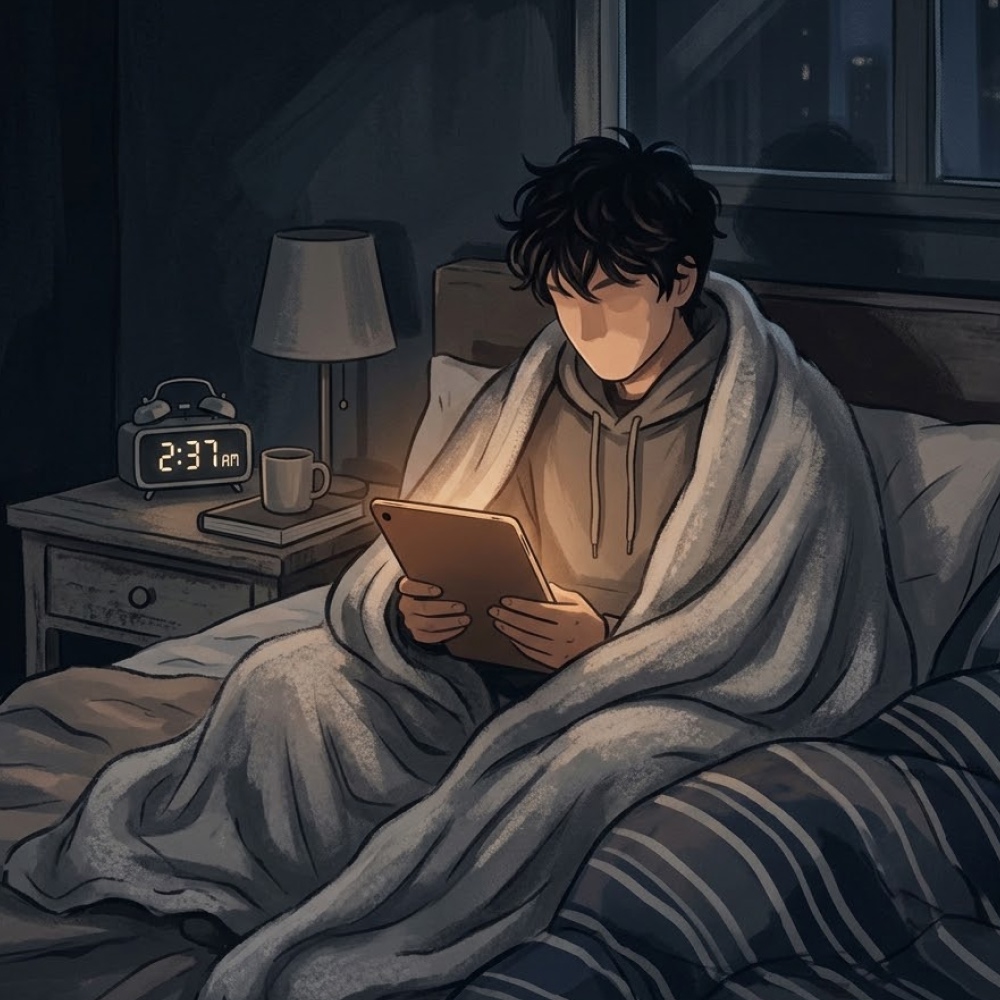
Anxiety is a natural response to stress. It shows up as a persistent feeling of worry, tension, or unease, often tied to a specific situation like a job interview, a medical appointment, or a looming deadline.
Anxiety tends to build gradually. It can last for hours, days, or even longer, and it usually stays at a manageable intensity — uncomfortable, but not overwhelming. Common signs include:
- Restlessness or feeling on edge
- Muscle tension
- Trouble concentrating
- Sleep disturbances
- Irritability
What Is a Panic Attack?
A panic attack is a sudden, intense episode of fear that peaks within minutes. Unlike anxiety, it often strikes without an obvious trigger, and the physical symptoms can be severe enough that people mistake them for a heart attack or another medical emergency.
Typical panic attack symptoms include:
- Pounding or racing heart
- Shortness of breath or a choking sensation
- Chest pain or tightness
- Dizziness or lightheadedness
- Trembling or shaking
- A fear of losing control or “going crazy”
- A sense of impending doom
Panic Attacks vs Anxiety: The Key Differences
| Anxiety | Panic Attack | |
|---|---|---|
| Onset | Gradual | Sudden, within minutes |
| Duration | Hours to days | Usually peaks in 10 minutes, resolves within 20–30 |
| Trigger | Often identifiable | Can occur with no clear trigger |
| Intensity | Mild to moderate | Severe, overwhelming |
| Physical symptoms | Present but manageable | Intense, can mimic medical emergencies |
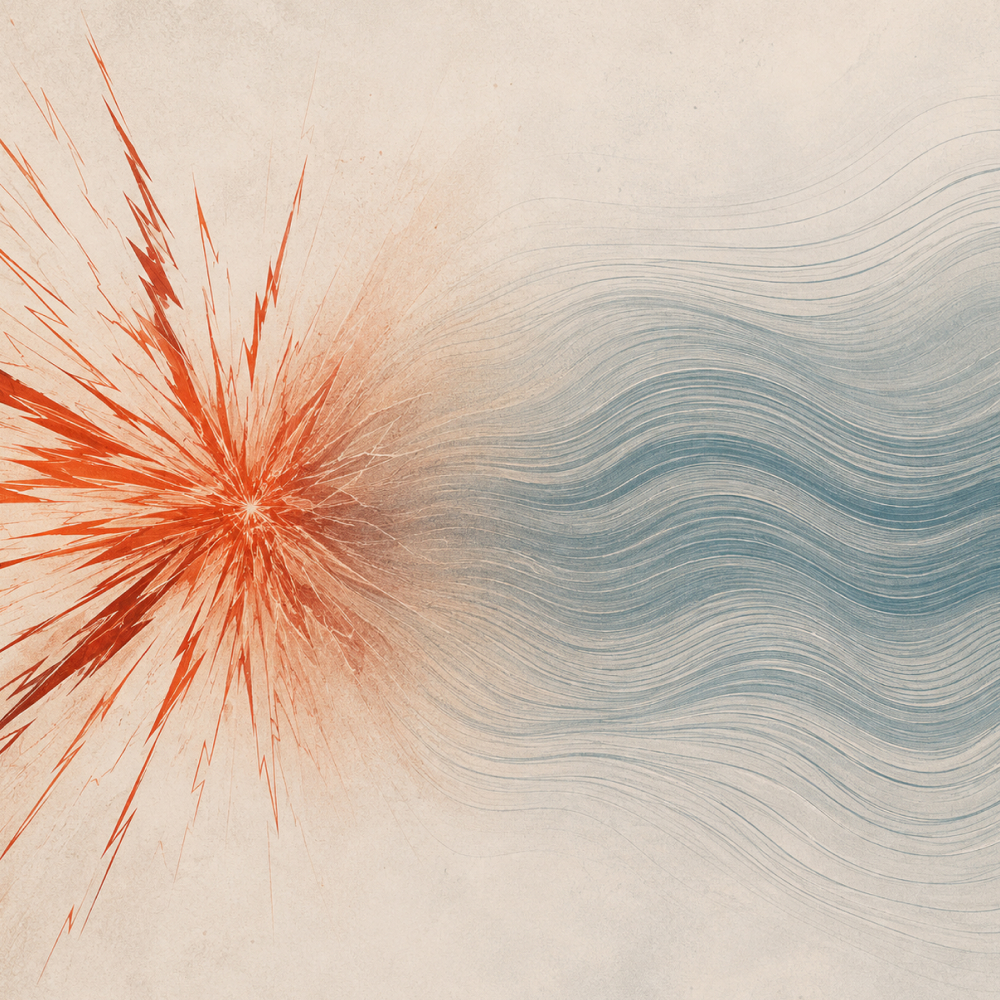
The clearest distinction is speed and intensity. Anxiety simmers; a panic attack explodes and then subsides.
Panic Attacks vs Anxiety: Can One Turn Into the Other?
Yes. Prolonged or intense anxiety can sometimes escalate into a full panic attack, especially when a person feels trapped, exhausted, or unable to manage their stress. This is one reason ongoing anxiety shouldn’t be ignored — left unaddressed, it can increase the frequency of panic episodes over time.
When to Seek Medical Help
Because panic attack symptoms can closely resemble a heart attack, it’s important to get any new or unexplained chest pain, breathlessness, or heart palpitations evaluated by a medical professional — especially the first time it happens. Once serious medical causes are ruled out, a doctor or mental health professional can help determine whether you’re dealing with occasional panic attacks, generalized anxiety, or panic disorder.
According to the National Institute of Mental Health, panic disorder and anxiety disorders are among the most common mental health conditions, and both are highly treatable once properly diagnosed.
Seek immediate medical attention if you experience:
- Chest pain that doesn’t resolve
- Difficulty breathing that worsens
- Symptoms accompanied by fainting
Treating Panic Attacks vs Anxiety: What Works
The good news is that both anxiety and panic attacks respond well to treatment. Common approaches include:
- Cognitive Behavioral Therapy (CBT) — helps identify and reframe the thought patterns that fuel anxiety and panic
- Breathing and grounding techniques — useful for managing symptoms in the moment
- Lifestyle changes — regular exercise, reduced caffeine, and consistent sleep can lower baseline anxiety
- Medication — in some cases, a doctor may recommend medication alongside therapy
The Bottom Line
Understanding panic attacks vs anxiety isn’t just about vocabulary — it changes how you respond. Anxiety calls for long-term coping strategies, while a panic attack often calls for in-the-moment grounding techniques and, when in doubt, medical evaluation. If either is affecting your daily life, reaching out to a healthcare provider is a strong first step toward feeling more in control.