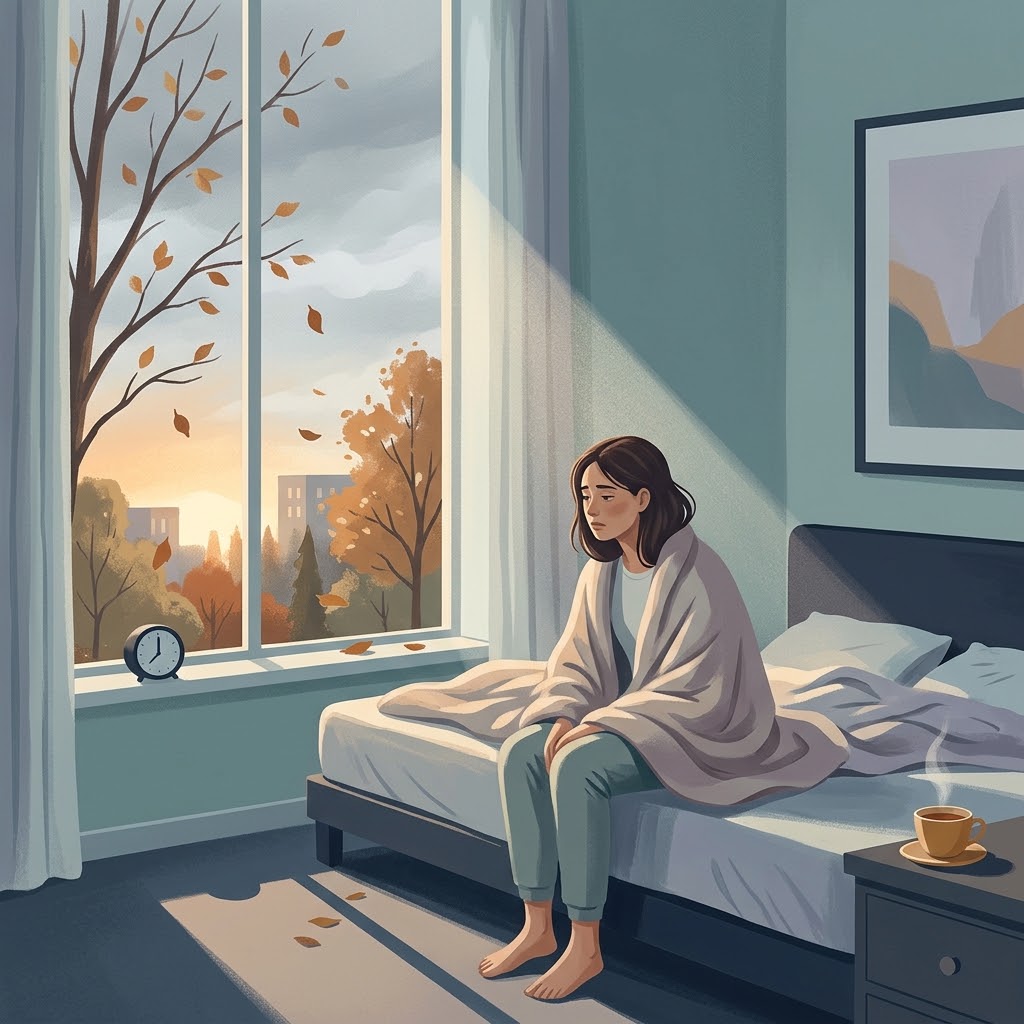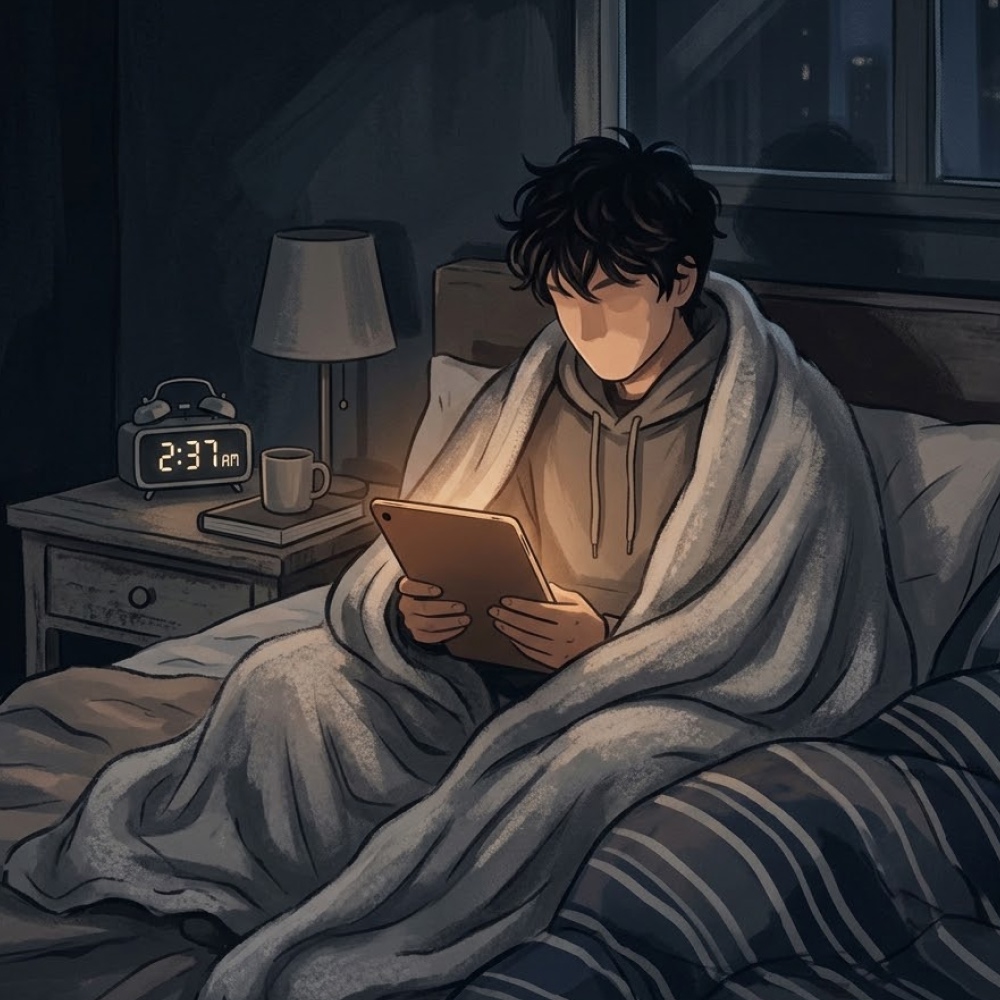
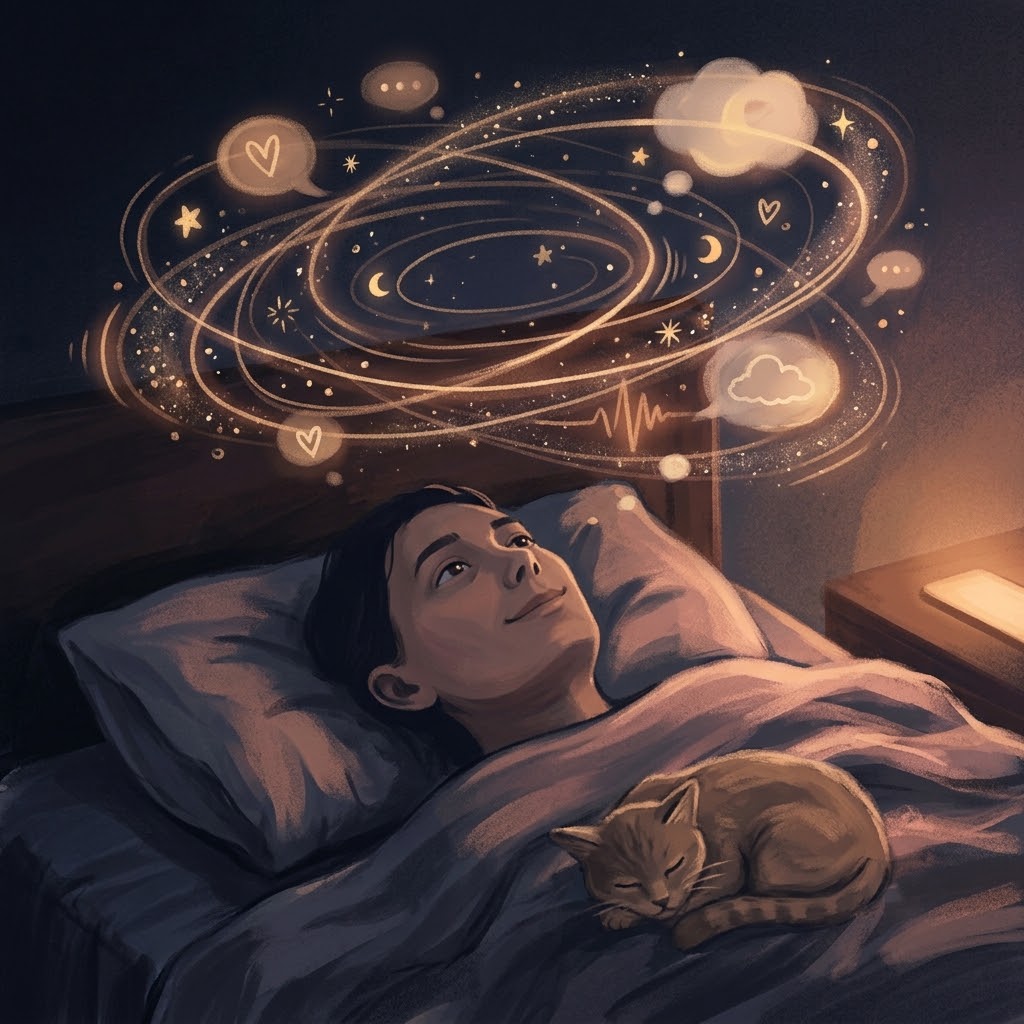
You’re lying in bed, replaying a conversation from three days ago. Nothing bad happened. Nobody’s mad at you. But your brain insists something is wrong, and it won’t let go. This is the anxiety trick your brain plays on millions of people every day, and almost nobody explains it clearly.
What Is This Anxiety Trick, Exactly?
Your brain is wired to spot danger before it spots peace. That instinct kept our ancestors alive, but today it can’t always tell the difference between a real threat and an overdue email. So it treats both the same way: full alarm mode. Researchers at the National Institute of Mental Health call this a mismatch between an outdated threat-detection system and modern-day stress.
If you’ve ever wondered why your chest tightens over something small, this mismatch is usually the reason. It isn’t a sign of weakness. It’s your brain doing exactly what it was built to do, just aimed at the wrong target.
Why the Anxiety Trick Feels So Hard to Stop
Calm feels like being unprepared. Worry feels productive, like you’re doing something, even when you’re just going in circles. That false sense of control is exactly why the anxiety trick is so hard to catch in the moment, let alone stop. Many people only notice the pattern once it starts affecting sleep, focus, or relationships.
Breaking the Anxiety Trick: A Quick Reference
| Anxious Habit | Why It Backfires | Try Instead |
|---|---|---|
| Replaying past conversations | Reinforces the “threat” signal with no new info | Set a 2-minute limit, then redirect |
| Assuming worst-case outcomes | Trains your brain to expect danger by default | Ask: “What’s the likely outcome?” |
| Trying to “think” your way to calm | Feeds the false productivity loop | Use a physical action to interrupt it |
| Avoiding the trigger | Confirms to your brain it was dangerous | Small, gradual exposure |
The Bottom Line
The anxiety trick isn’t a personal failure. It’s an outdated survival mechanism running in a modern world. Once you recognize it, you can respond to it differently, one small moment at a time. If these patterns feel familiar, you’re not alone, and small changes can make a real difference over time.e.