
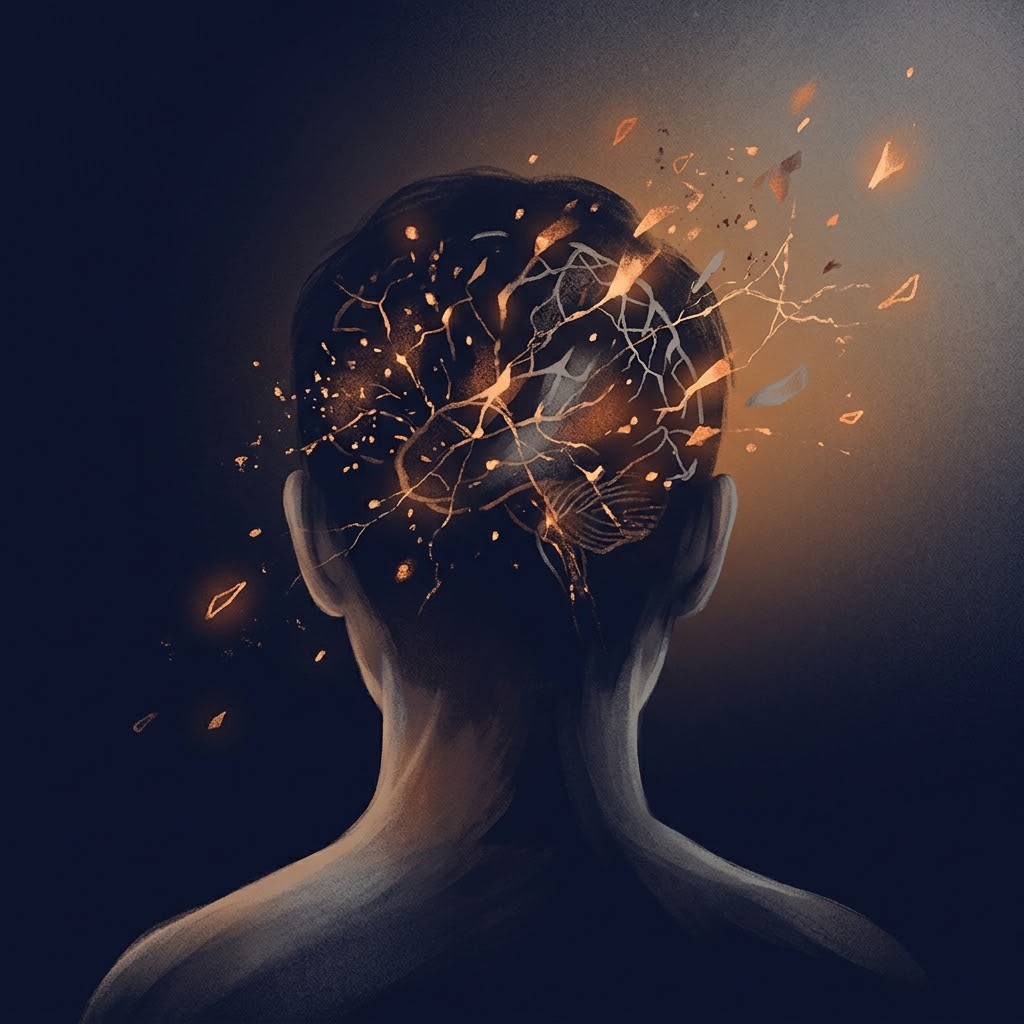
AA smell, a sound, a tone of voice, and suddenly you’re somewhere else entirely. If your brain remembers trauma in a way that feels almost too vivid, there’s a real biological reason behind it, not a character flaw.
Trauma Gets Stored Differently
Ordinary memories get filed away with context: when it happened, where you were, how long ago. Traumatic memories often skip that filing process. Instead, the brain stores raw sensory fragments, images, sounds, physical sensations, without a clear timestamp attached.
That’s part of why a single trigger can make an old memory feel like it’s happening right now instead of years ago.
Why the Brain Remembers Trauma So Vividly
The amygdala, the brain’s threat detector, becomes more sensitive after trauma. It starts treating smaller, unrelated cues as warnings, because at some point one of those cues was genuinely tied to danger. According to the National Institute of Mental Health, this heightened alertness is a core feature of PTSD, not just an emotional overreaction. It’s a survival adaptation, even when it no longer matches your current life.
This Isn’t a Sign of Weakness
People often blame themselves for not “getting over it” fast enough. But the brain remembers trauma the way it does specifically because the experience registered as a threat to survival. That response is automatic, not a choice, and it can soften significantly with the right support and time. Recovery is rarely linear, and setbacks don’t mean the process isn’t working.
The Bottom Line: Why Your Brain Remembers Trauma
Understanding why the brain remembers trauma this way won’t erase the memories, but it can take away some of the shame attached to still feeling affected by them. Trauma-focused therapy is one of the most effective ways to help the brain finally file those memories where they belong: in the past.
Want to understand more about how the mind reacts to stress? Read our guide on Anxiety Trick: The Secret Your Brain Plays for a related look.