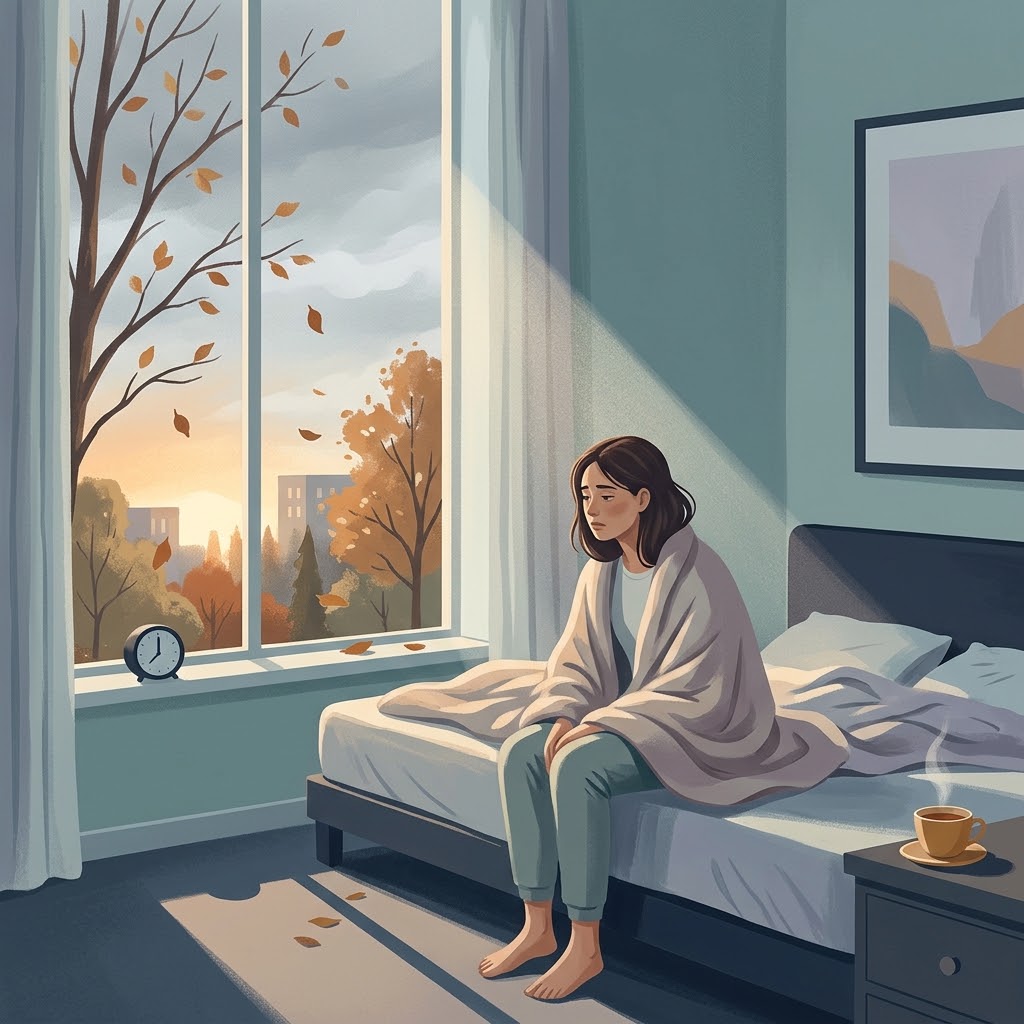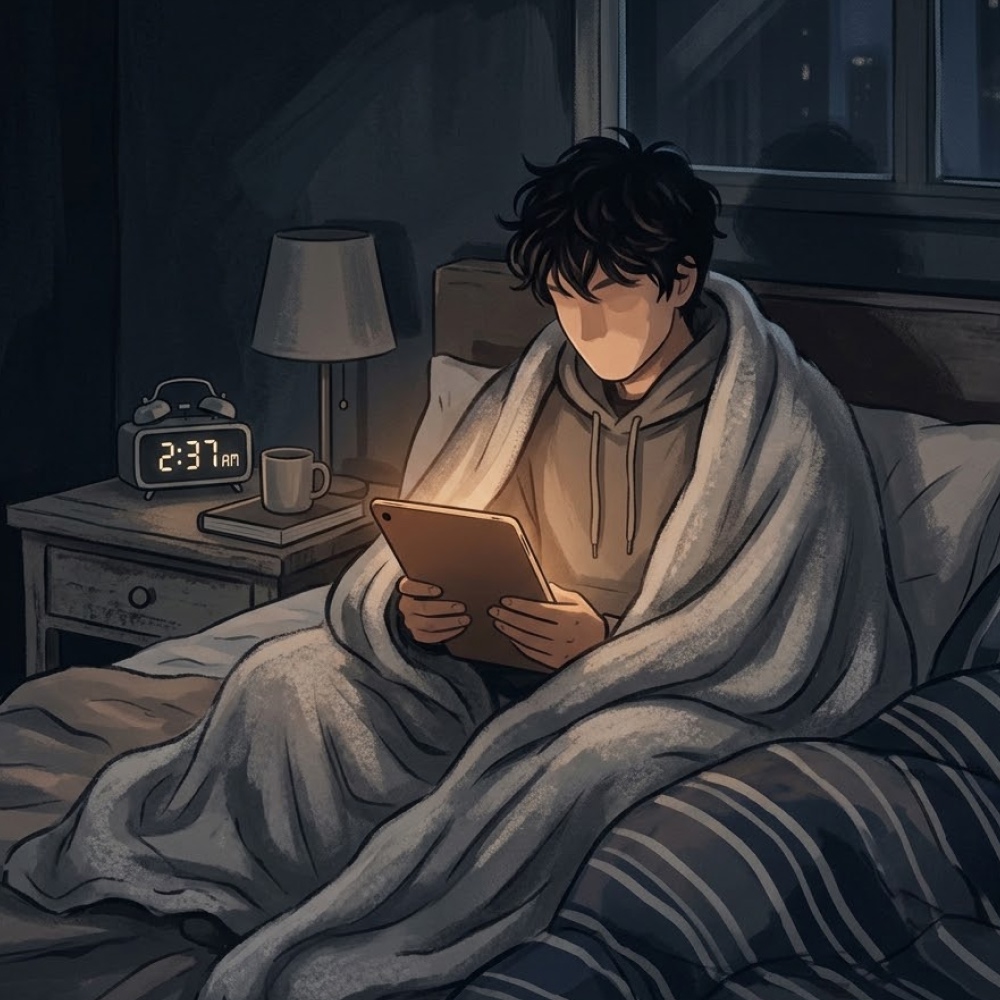
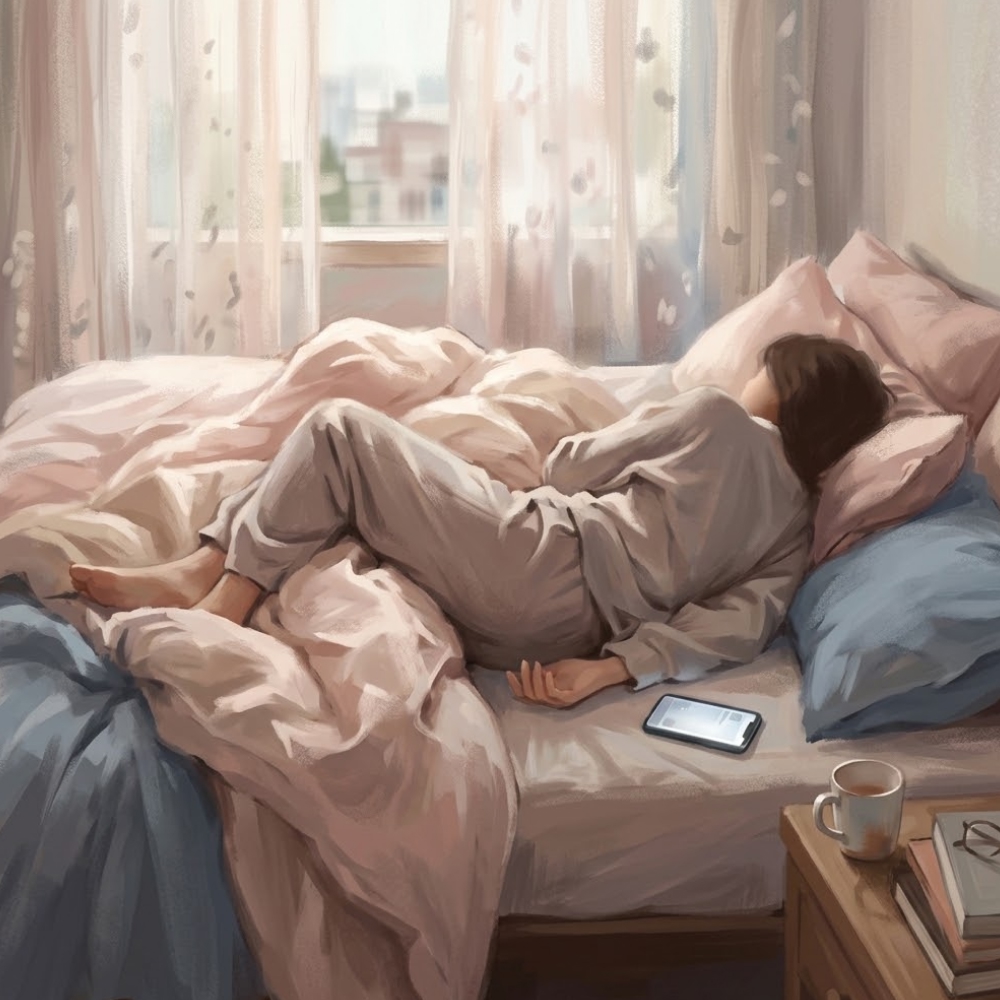
Spending an entire Saturday in bed, phone in hand, snacks nearby, has a name now: bed rotting. It’s all over TikTok as the ultimate self-care flex. But experts keep raising a harder question: where does the bed rotting depression line actually sit?
When Bed Rotting Is Genuinely Fine
An occasional lazy day after a stressful week isn’t a red flag. Rest is a real need, and one day of doing nothing can help you recharge, especially if you get up feeling more like yourself afterward. Most people bounce back within a day or two, ready to resume their normal routine without much effort.
Bed Rotting vs. Depression: What Changes the Picture
This pattern becomes harder to dismiss when it repeats for days, replaces basic care like eating or showering, or leaves you feeling worse instead of restored. According to health experts at Ohio State University, extended withdrawal from daily activity can be an early sign of depression rather than harmless rest. The shift is often gradual, which makes it easy to miss until it’s already become a habit.
The Key Difference
One day of rest usually has a clear edge, you know when it starts and when it ends. The depression-linked version tends to blur that edge, stretching on with no real plan to get up, and little relief even after hours in bed. Motivation doesn’t return with rest the way it normally would.
The Bottom Line
It isn’t automatically a problem, but treating it as unlimited, no-questions-asked self-care can mean missing an early signal. If it’s becoming your default instead of an occasional reset, that shift is worth paying attention to, and worth mentioning to a doctor or therapist if it continues.
Not sure if what you’re feeling is more than a rough patch? Read our guide on Sad or Depressed? The Easiest Way to Tell to dig deeper.