
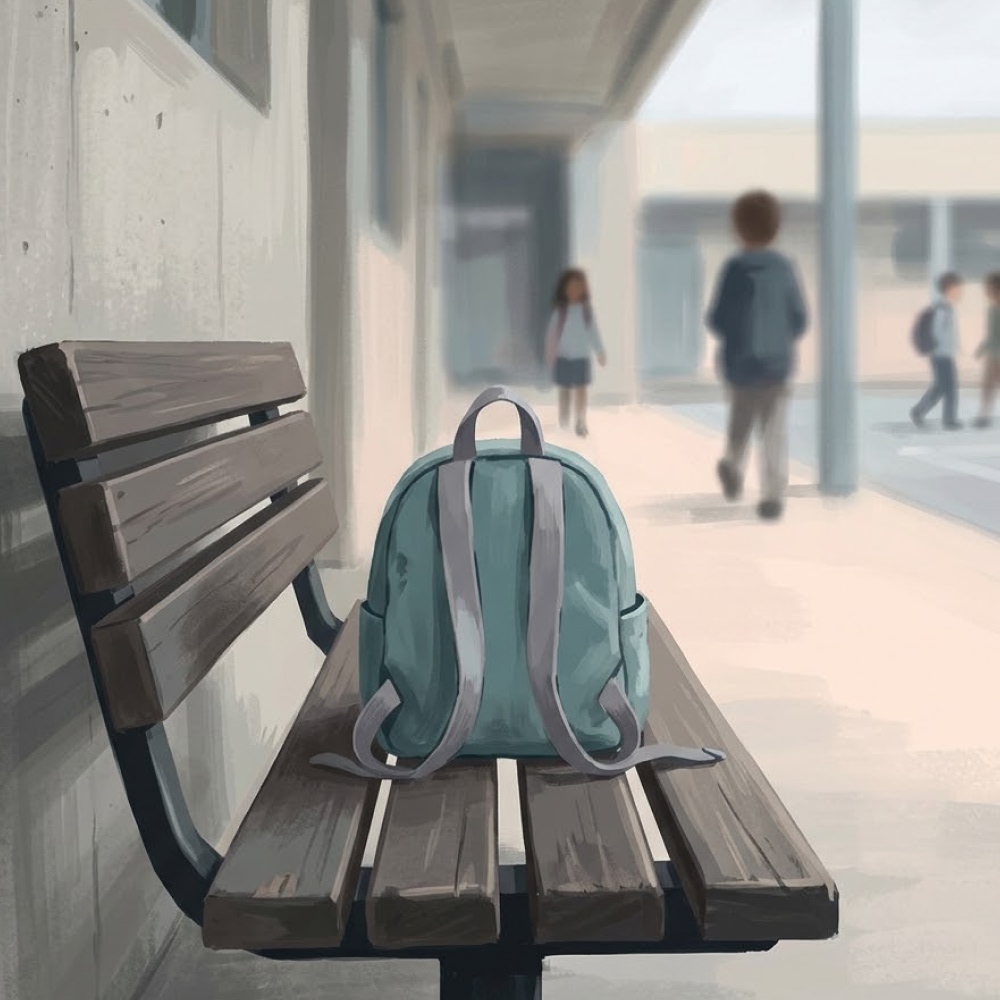
The story below, illustrating bullying anxiety in a school-age child, is a fictional, composite character named Michael, based on common patterns described by children, parents, and school counselors. He doesn’t represent one specific child, but reflects experiences that show up again and again.
Mornings became the hardest part of the day. Not because of homework or waking up early, but because school itself had turned into something to dread. This kind of bullying anxiety rarely announces itself loudly. More often, it shows up as a stomachache before the bus arrives, or a sudden reluctance to talk about the school day at all.
How Bullying Anxiety Shows Up
For Michael, age eleven, the bullying wasn’t dramatic on the surface. It was quiet exclusion at lunch, comments about clothes, a group chat he wasn’t included in on purpose. Nothing severe enough to report easily, but constant enough to wear him down. He described feeling like he had to “perform normal” all day, then finally letting the tension go once he got home, which often looked like irritability or tears his parents didn’t understand at first.
What Helped Him Cope
The turning point came when a teacher noticed him eating alone and gently asked about it, without pressure to explain everything right away. That small opening made it easier to eventually talk to his parents. From there, a few things helped consistently: a regular check-in with a school counselor, one friendship outside his usual social group that felt safe, and parents who focused on listening first instead of immediately trying to fix it.
What Bullying Anxiety Teaches Adults
Kids experiencing bullying often don’t lead with the word “bullying” at all. They mention stomachaches, sudden grade changes, or wanting to skip school, and adults have to connect the dots. According to StopBullying.gov, changes in eating habits, declining grades, and avoidance of school are among the most common warning signs parents and teachers overlook. Taking those smaller signals seriously, rather than waiting for a dramatic disclosure, tends to open the door much sooner.
The Bottom Line
Bullying anxiety often hides in ordinary complaints before it ever becomes an obvious crisis. Consistent, low-pressure check-ins, from teachers, parents, or counselors, are often what finally give a child room to say what’s actually going on.
Concerned about a child’s anxiety more broadly? Read our guide on Is Your Phone Ruining Your Mind? for a related look at how social pressure shows up online too.