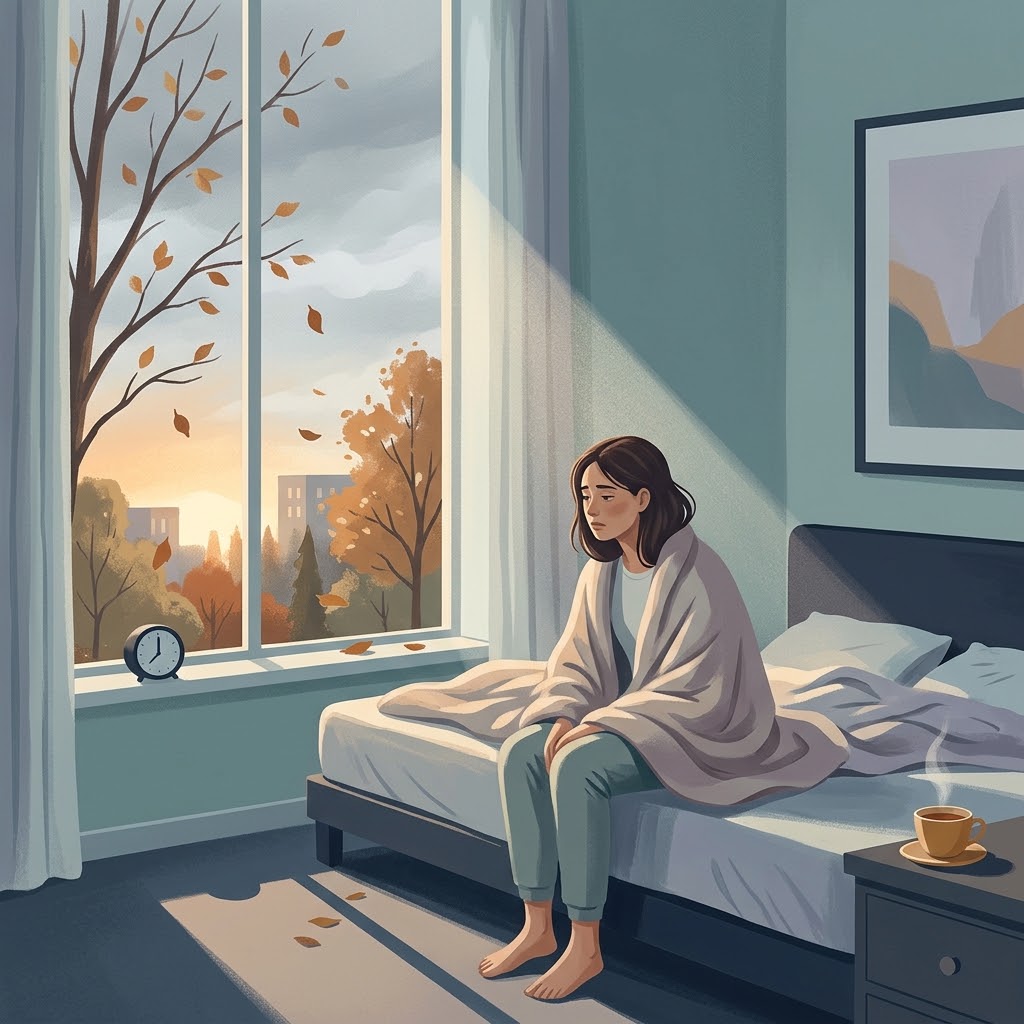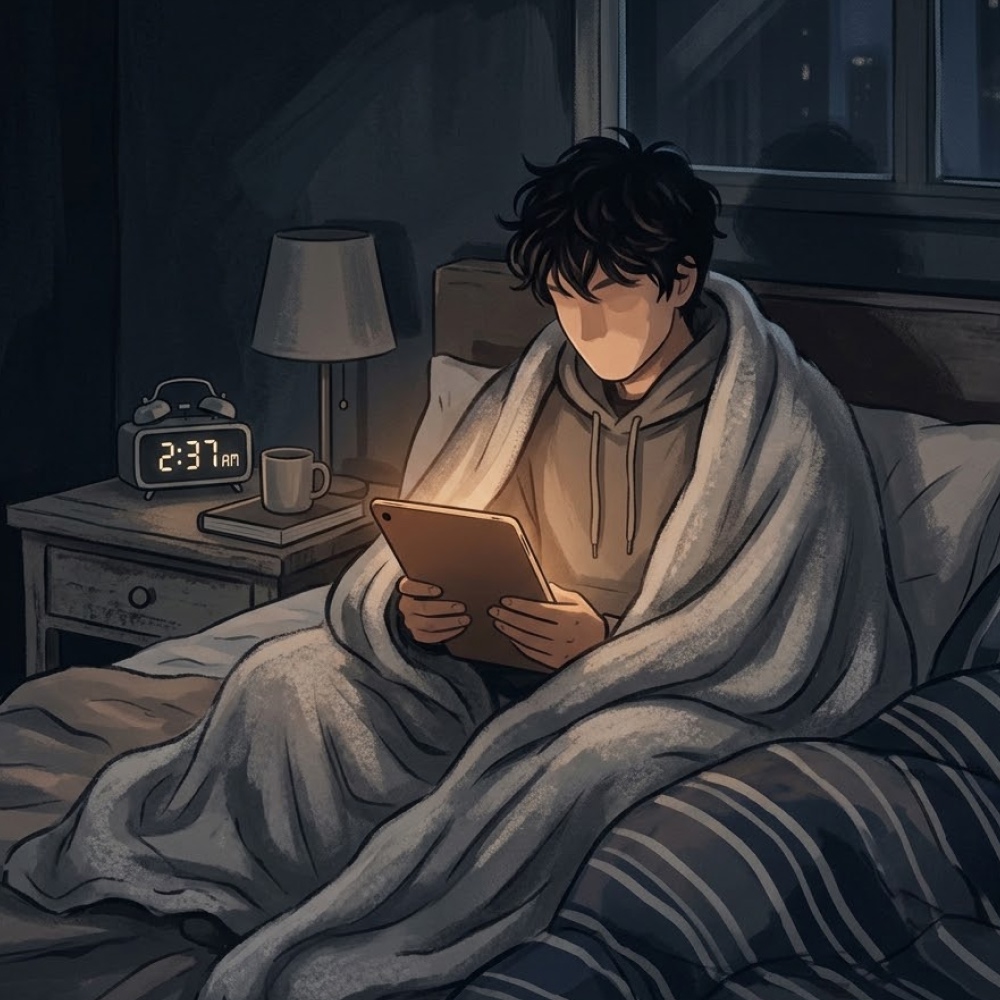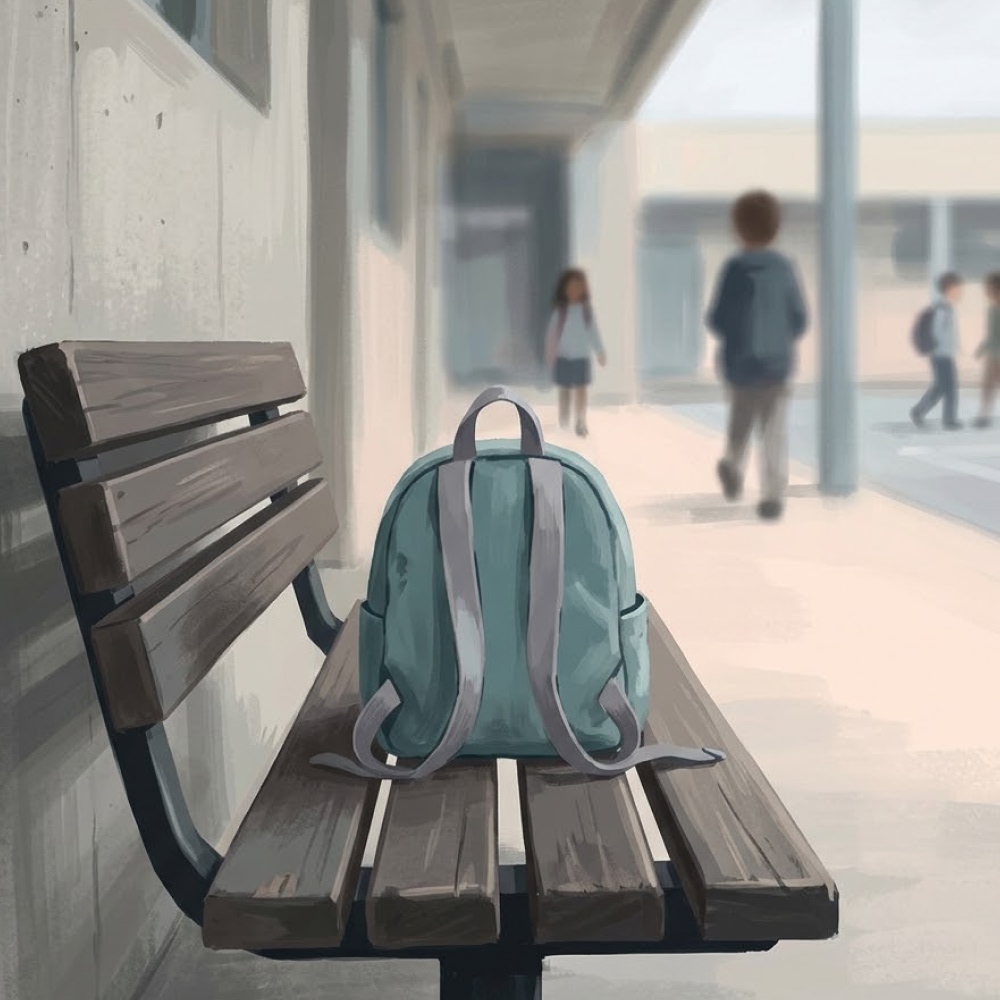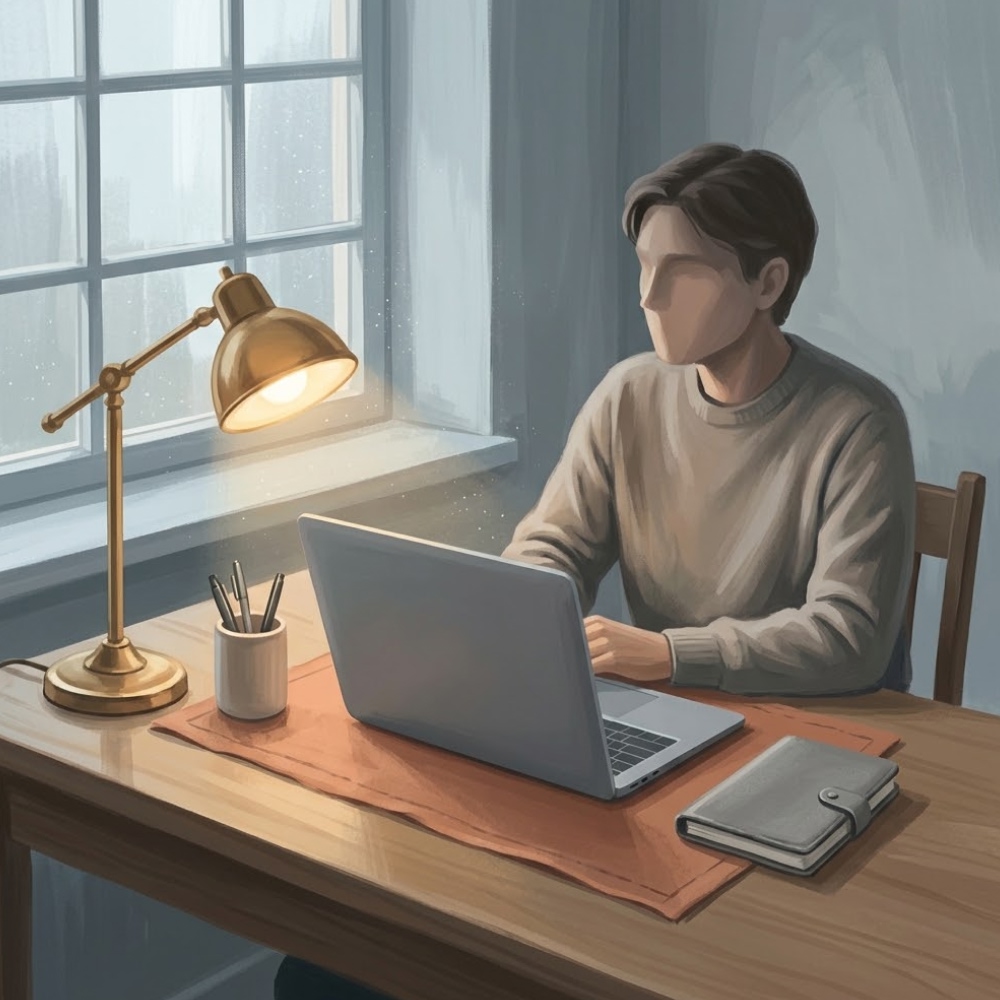

Maria was 29 and living in Madrid when loneliness first crept into her life. Nothing dramatic happened. No fight, no falling out, no single event she could point to. It felt more like waking up one morning and realizing the world around her had quietly rearranged itself while she wasn’t looking.
“I had everything I thought I wanted,” Maria says. “A job I liked, a small apartment near the city center, a group of friends I’d had since university. I thought that was the foundation, and everything else would just build on top of it.”
Then, almost overnight, everything shifted. One friend got engaged. Another moved to Berlin for a new job. A third had a baby. Within eighteen months, the group chat that used to buzz every day went quiet. Weekend plans that used to happen without asking now needed weeks of coordination, and even then, they rarely happened.
The Loneliness of Being Left Behind
“I wasn’t jealous,” Maria explains. “I was genuinely happy for them. That’s what made it so confusing. I loved my friends, I wanted good things for them, and at the same time, I felt like I was standing still while everyone else was walking away.”
This is one of the quieter, less-talked-about forms of loneliness: the kind that comes not from loss, but from life simply moving at different speeds for different people. Research from institutions such as the World Health Organization has highlighted how common this experience has become, even among people who appear socially connected on the surface. Maria hadn’t done anything wrong. She hadn’t been excluded on purpose. But the natural rhythm of adult life – careers taking people to new cities, relationships turning into families, priorities shifting toward partners and children – had left her on the outside of a life stage everyone else seemed to be entering together.
“The hardest part,” she says, “was that there was no one to blame, and no clear moment when it happened. It just… happened. And I didn’t know how to talk about it without sounding ungrateful or bitter, so for a long time, I didn’t talk about it at all.”
Maria describes evenings that used to feel comfortable – reading alone, cooking dinner for one – suddenly feeling heavy in a way they hadn’t before. Not because anything about her life had changed, but because the people who used to fill in the empty spaces simply weren’t as available anymore.
What We Tell Clients Like Maria
At depstress.com, we hear versions of Maria’s story more often than people expect. Life-stage loneliness – the kind that comes from friendships naturally drifting during major transitions – is one of the most common and most underestimated forms of isolation. For a deeper look at this pattern, see our guide on coping with loneliness. Here’s what we recommend to people navigating it:
1. Name what’s happening, without judgment. This isn’t a personal failure or a sign that something is wrong with you. Friendships often shift shape during major life transitions, and recognizing that pattern takes away some of its power.
2. Grieve the friendship as it was, while staying open to what it can become. A friendship doesn’t have to end just because it changes. Reaching out with lower expectations – a short message instead of a weekend trip – can keep the connection alive in a form that fits everyone’s current life.
3. Actively build new circles, rather than waiting for old ones to return. This is often the hardest step, because it requires vulnerability at a moment when you may already feel fragile. Interest-based groups, classes, or volunteering can create low-pressure environments to meet people who are in a similar life stage. Read more in our article on building friendships as an adult.
4. Separate the story from the feeling. It’s easy to spiral into narratives like “I’m falling behind” or “something is wrong with me.” The feeling of loneliness is real and valid – but the story attached to it is often harsher and less accurate than the truth.
5. Talk to someone, even if nothing seems “wrong enough” to justify it. Maria eventually spoke with a therapist, not because she was in crisis, but because she wanted a space to make sense of what she was feeling. “I didn’t need someone to fix it,” she says. “I needed someone to help me understand that this was a normal, human thing to go through – not evidence that I was doing life wrong.” If you’re wondering whether it’s time to reach out, our guide on when to seek therapy can help.
Maria Today
Maria still lives in Madrid. Her closest friend now lives four hundred kilometers away, and they talk mostly through voice messages sent at odd hours. She has joined a running club, met two people she now considers real friends, and slowly rebuilt a sense of community – one that looks different from what she had before, but feels solid in its own way.
“I used to think loneliness meant something had gone wrong,” she says. “Now I think of it more like weather. It passes through. It doesn’t mean the season is over.”
If Maria’s story sounds familiar, know that this kind of loneliness is far more common than it feels in the moment – and far more workable than it seems on the hardest nights. You don’t have to carry it alone, and you don’t have to wait until things feel unbearable to reach out for support.