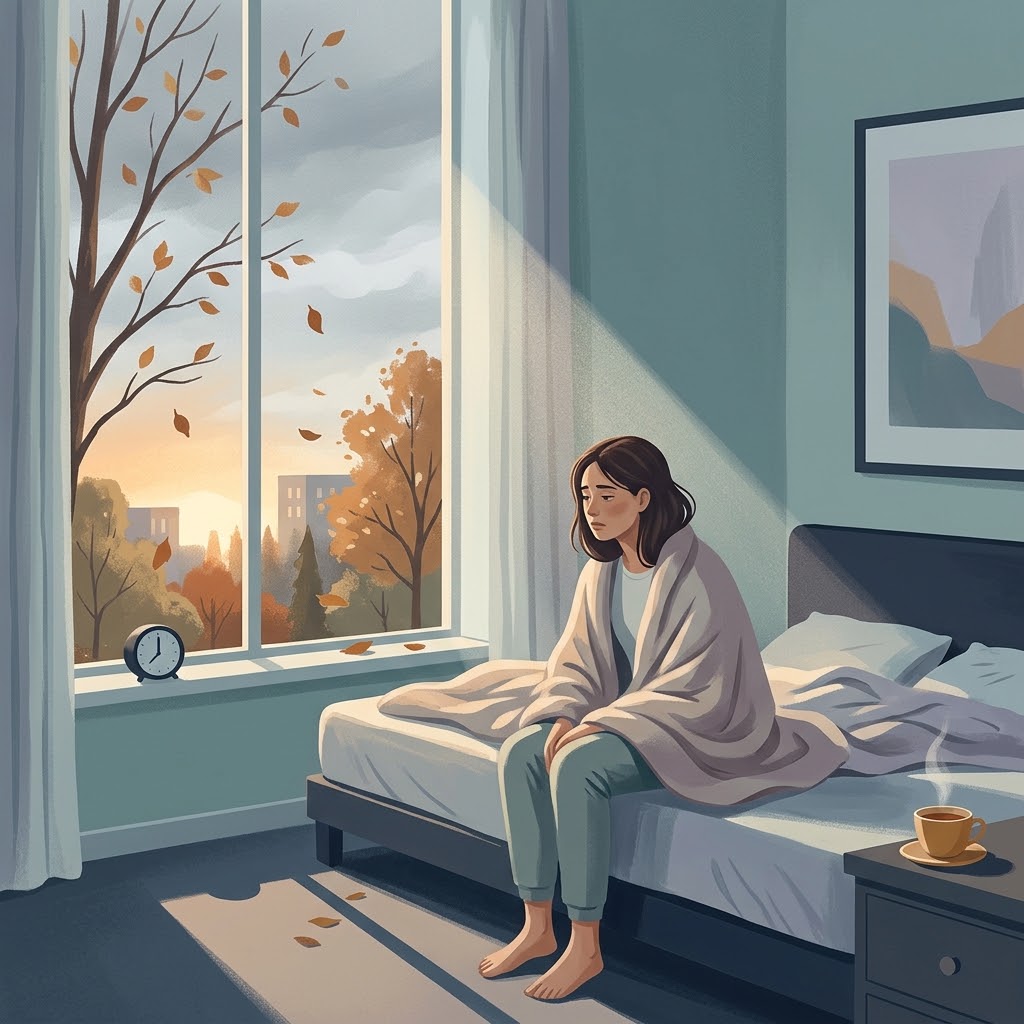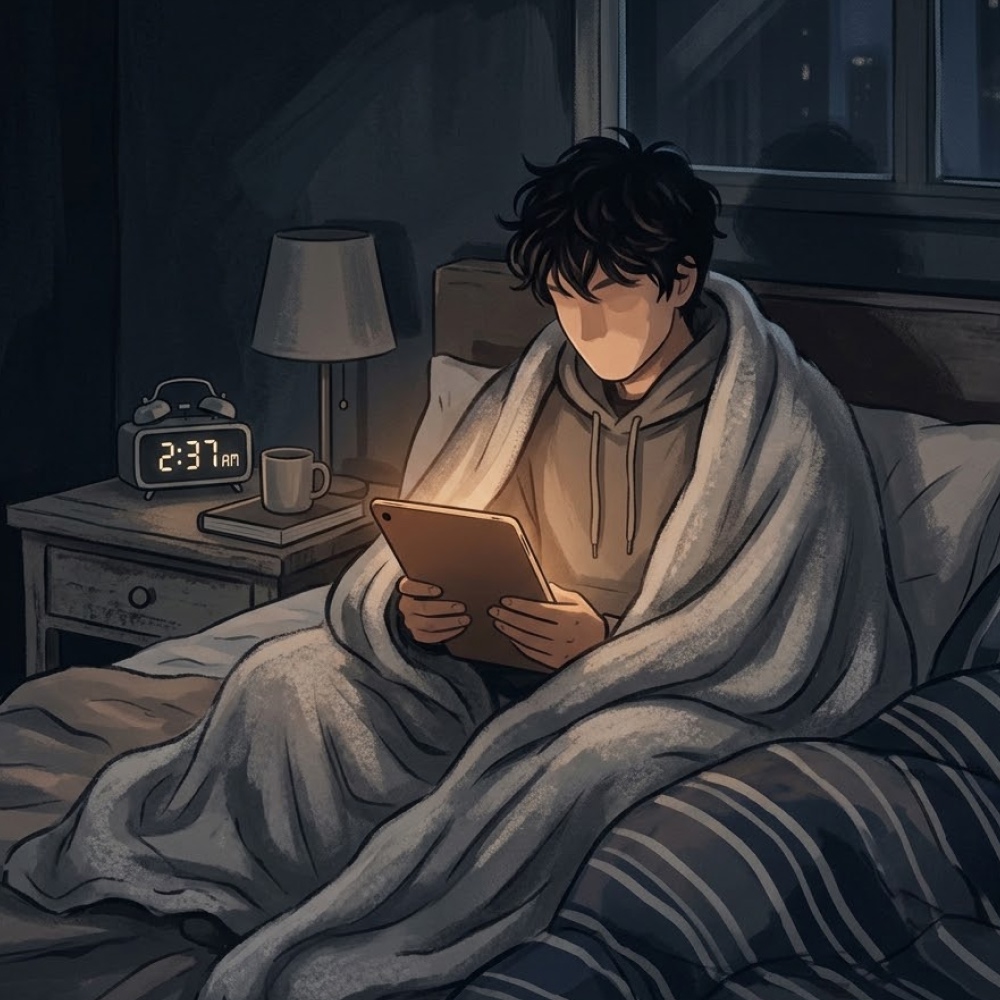

Michael spent fourteen months on deployment in the Middle East. He came home to his family in Ohio physically unharmed, no visible wounds, no cast, no scars anyone could see. But this is what PTSD in veterans often looks like: three months later, his wife noticed he hadn’t slept through a single night. He flinched at the sound of a slamming car door. He kept checking the locks on the doors, again and again, even after she’d already checked them herself. Some mornings she found him sitting bolt upright in bed, drenched in sweat, unsure for a moment where he was.
Michael’s story isn’t unusual. It’s one of the most common, and most misunderstood, experiences among veterans returning from combat: the body stays on the battlefield long after the mind has come home.
Michael is a composite example used to illustrate common experiences; it does not describe one specific individual.
At Depstress, we believe understanding these symptoms is the first step toward healing. In this article, we’ll walk through what post-traumatic stress and chronic combat-related stress actually look like, why they happen, and where veterans and their families can find real support. Chronic stress like this can also contribute to depression, so if low mood or hopelessness has crept in alongside these symptoms, our guide on depression signs and support is worth a read too.
What Is PTSD in Veterans?
Post-traumatic stress disorder (PTSD) is a mental health condition that can develop after a person experiences or witnesses a life-threatening or deeply distressing event, combat being one of the most common triggers among service members. According to the U.S. Department of Veterans Affairs, PTSD rates among veterans vary by era and deployment history, but combat exposure consistently raises the risk well above that of the general population.
PTSD in veterans isn’t a sign of weakness, and it isn’t something a veteran can simply “push through” or leave behind with willpower. It’s a legitimate, treatable condition rooted in how the brain and nervous system respond to sustained danger.
Common Signs of PTSD in Veterans to Watch For
Combat stress and PTSD look different for everyone, but there are patterns that tend to show up again and again:
- Constant sense of danger, even in safe, familiar places
- Hypervigilance, scanning rooms, sitting facing exits, reacting strongly to loud noises
- Intrusive memories, flashbacks, or nightmares related to deployment
- Insomnia or fragmented, restless sleep
- Nighttime bedwetting (nocturnal enuresis), a lesser-known but real symptom linked to deep, exhausted sleep and a disrupted nervous system
- Irritability, anger, or feeling constantly “on edge”
- Emotional numbness or difficulty connecting with loved ones
- Avoidance of people, places, or situations that recall the trauma
- Persistent negative thoughts about oneself, others, or the future
If several of these symptoms last for more than a month and start interfering with daily life, work, or relationships, it may be a sign of clinical PTSD rather than a temporary adjustment period.
Why the Body Won’t “Stand Down”
To understand PTSD, it helps to understand what combat does to the nervous system. In a genuine combat zone, the brain’s alarm center, the amygdala, takes over, keeping the sympathetic nervous system in constant “fight-or-flight” readiness. This is a survival advantage in war. The problem is that for many veterans, that alarm system doesn’t switch off when the deployment ends: elevated heart rate, muscle tension, and a sense of being on guard can persist long after the danger has passed.
The prefrontal cortex, the part of the brain responsible for calming the body back down and reasoning through “am I actually safe right now,” can struggle to override a nervous system trained, for months, to treat everything as a potential threat, while the parasympathetic system, responsible for rest and restoration, struggles to counterbalance that ongoing activation. Sleep is often where this shows up first and hardest: sleep disturbances are among the most common and persistent PTSD symptoms, and trauma-related sleep is frequently marked by fragmented REM cycles, the sleep stage most responsible for processing emotional memory. That fragmentation is part of why nightmares and intrusive memories tend to reinforce each other night after night. Nocturnal bedwetting can also occur in this context, linked to the same nervous-system dysregulation, deep, exhausted sleep combined with disrupted bladder-brain signaling during trauma-affected sleep stages.
How PTSD in Veterans Affects Daily Life and Family
PTSD doesn’t stay contained to combat memories, it touches nearly every part of a veteran’s daily life. Simple things like grocery shopping in a crowded store, driving through traffic, or sitting with their back to a door can become sources of real distress. Sleep deprivation from insomnia or nightmares often worsens mood, memory, and patience. Family members may feel shut out, unsure how to help, or hurt by emotional distance that isn’t personal, it’s protective.
Recognizing these patterns, in yourself or in someone you love, is an important step toward getting the right kind of help.
When to Seek Support
It’s not always easy to know when normal readjustment stress has crossed into something that needs professional care. A good rule of thumb: if symptoms last more than a month, are getting worse, or are interfering with sleep, relationships, or daily functioning, it’s time to reach out.
Veterans don’t have to wait until a crisis point to ask for support. Early intervention consistently leads to better outcomes and a faster return to feeling like themselves.
How to Find the Right Support for PTSD in Veterans
Getting support for PTSD can feel overwhelming, especially for someone used to handling things alone. Here’s a practical starting point:
- Get a professional evaluation. A licensed therapist, psychiatrist, or VA counselor can assess symptoms and rule out other causes of insomnia or physical symptoms.
- Consider trauma-focused therapy. Approaches like EMDR (Eye Movement Desensitization and Reprocessing) and trauma-focused cognitive behavioral therapy have strong evidence for treating combat-related PTSD.
- Learn nervous-system regulation skills. Breathing techniques, grounding exercises, and gradual exposure can help retrain a body stuck in high alert.
- Involve the family. Family therapy or simply educating loved ones on what PTSD looks like can ease tension and rebuild connection at home.
- Rebuild sleep and routine gradually. Consistent sleep schedules, reduced screen and caffeine intake, and structured daily routines support the nervous system’s recovery. These work best alongside professional treatment, not as a replacement for it.
- Use trusted resources. At Depstress, we offer guidance and resources across a range of mental health categories, including depression, so veterans and their families don’t have to navigate it alone.
No One Should Face This Alone
Coming home is supposed to mean safety. For many veterans, the hardest battle starts after the uniform comes off, fought quietly, at 3 a.m., in a bedroom instead of a battlefield. That fight is real, and so is the path out of it.
At Depstress, we’re here to help veterans and their families find clarity, resources, and support, one step at a time.