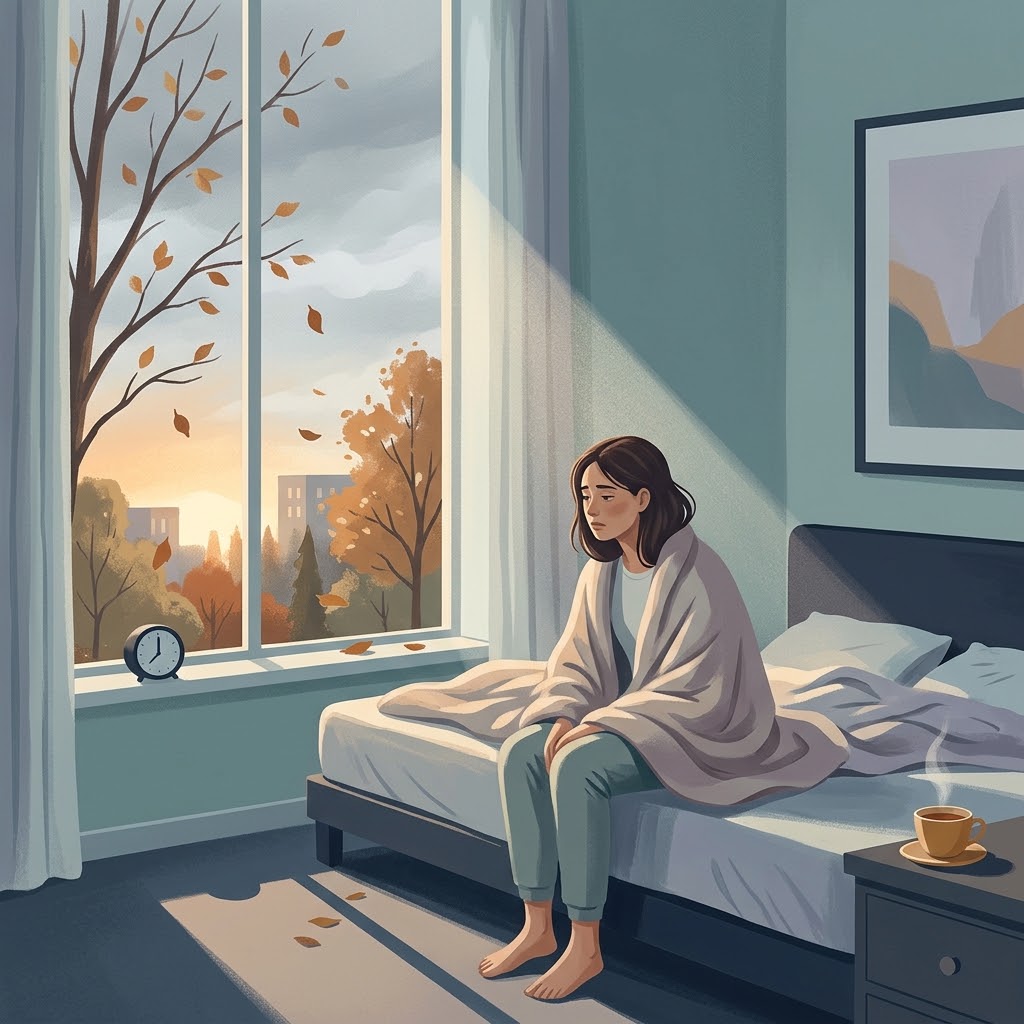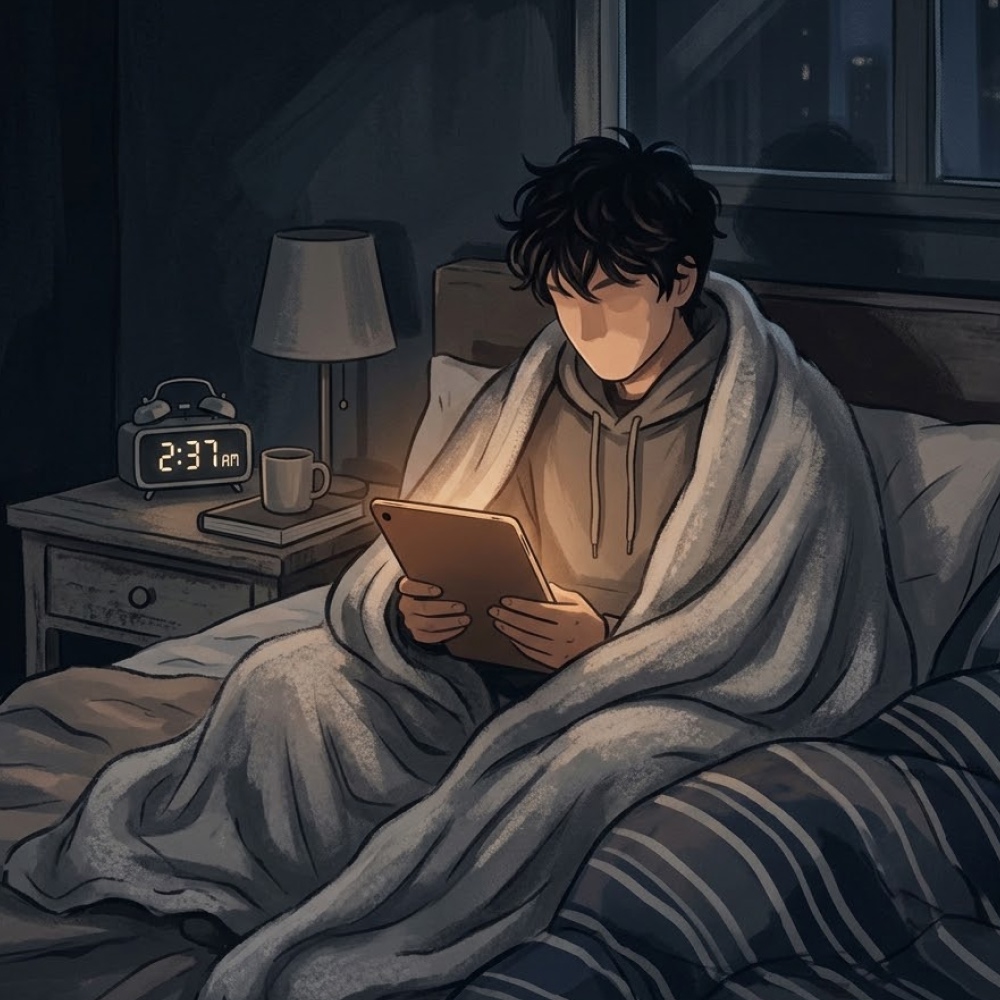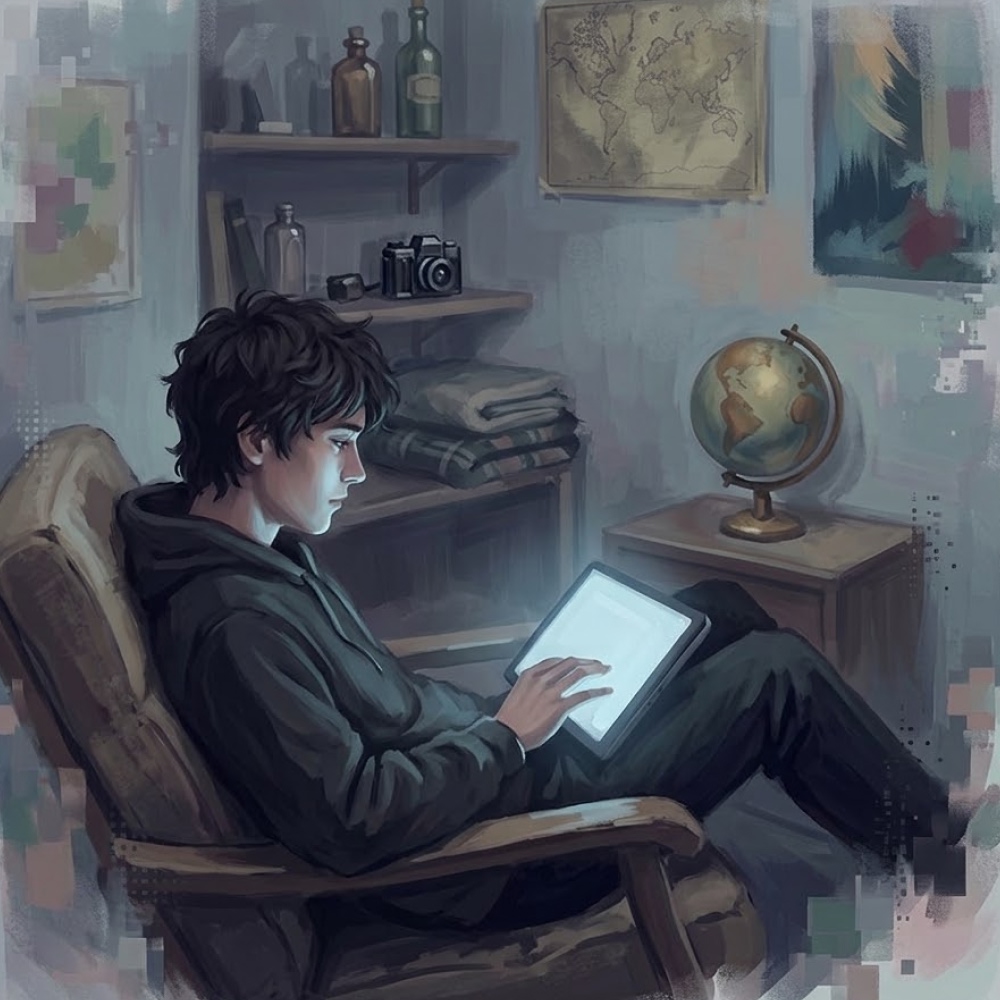

It started as a joke on TikTok. Now brain rot is Oxford’s Word of the Year, used to describe the mental fog that comes from consuming endless low-quality content. But behind the meme, there’s a real question worth asking: is your brain actually rotting, or does it just feel that way?
Where Brain Rot Comes From
It describes the state of mental fatigue, shortened attention span, and foggy thinking that follows hours of low-effort scrolling, short-form videos, and algorithm-fed content. It’s not a clinical diagnosis, but it captures something people genuinely feel: a kind of mental static that lingers after a long scroll session.
What’s Actually Happening in the Brain
Constant, rapid content switching trains the brain to expect quick rewards and short attention spans. Over time, this can make slower, more effortful tasks, reading, focused work, deep conversation, feel disproportionately hard. Oxford University Press, which named the term its 2024 Word of the Year, noted a sharp rise in usage tied to growing public concern about the mental effects of excessive low-value content consumption.
Brain Rot and Mental Health
This foggy feeling overlaps closely with symptoms of anxiety and low mood: restlessness, difficulty focusing, and a vague sense of dissatisfaction even after “relaxing” for hours. It isn’t a mental illness on its own, but it can be a warning sign that screen habits are quietly affecting mood and focus.
The Bottom Line
Brain rot may have started as internet slang, but the tiredness and fog behind it are real for a lot of people. Noticing when scrolling leaves you feeling worse instead of rested is a useful signal, whether or not you call it brain rot.
Curious how phone habits connect to anxiety more broadly? Read our guide on Is Your Phone Ruining Your Mind? for a related look.