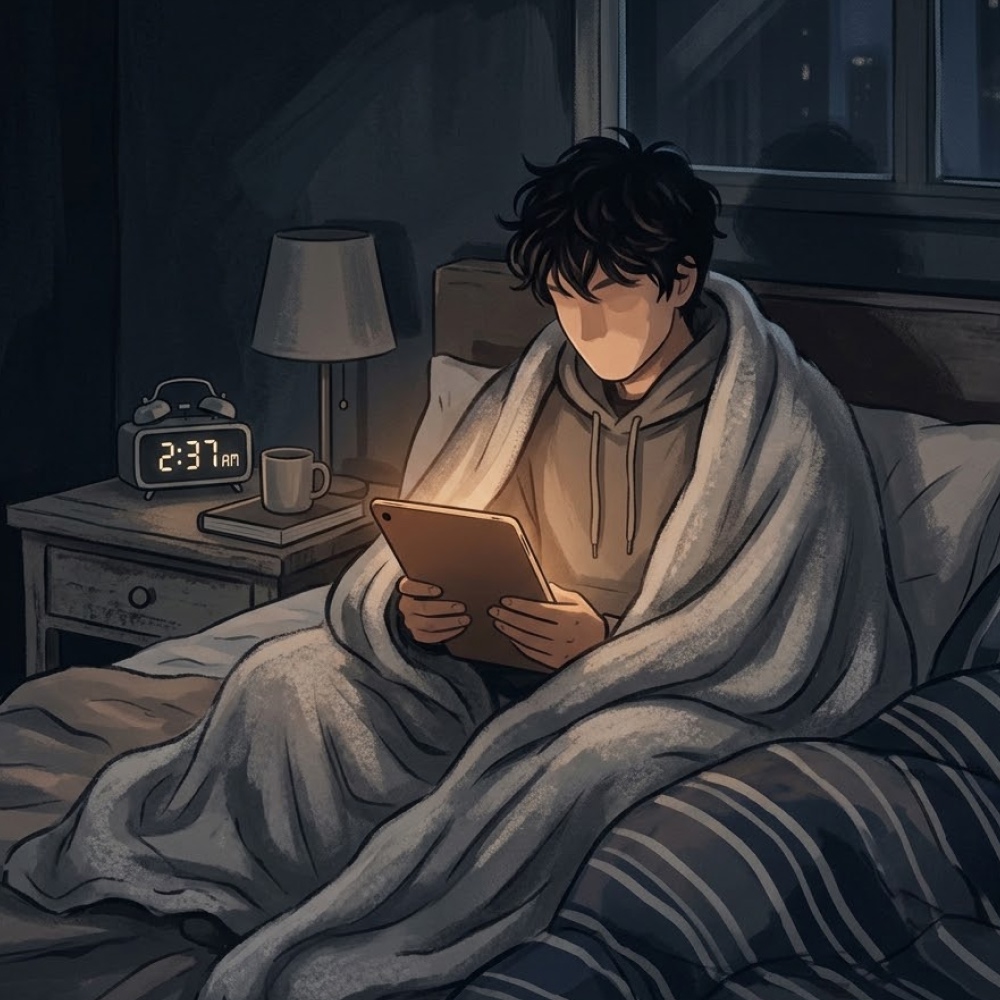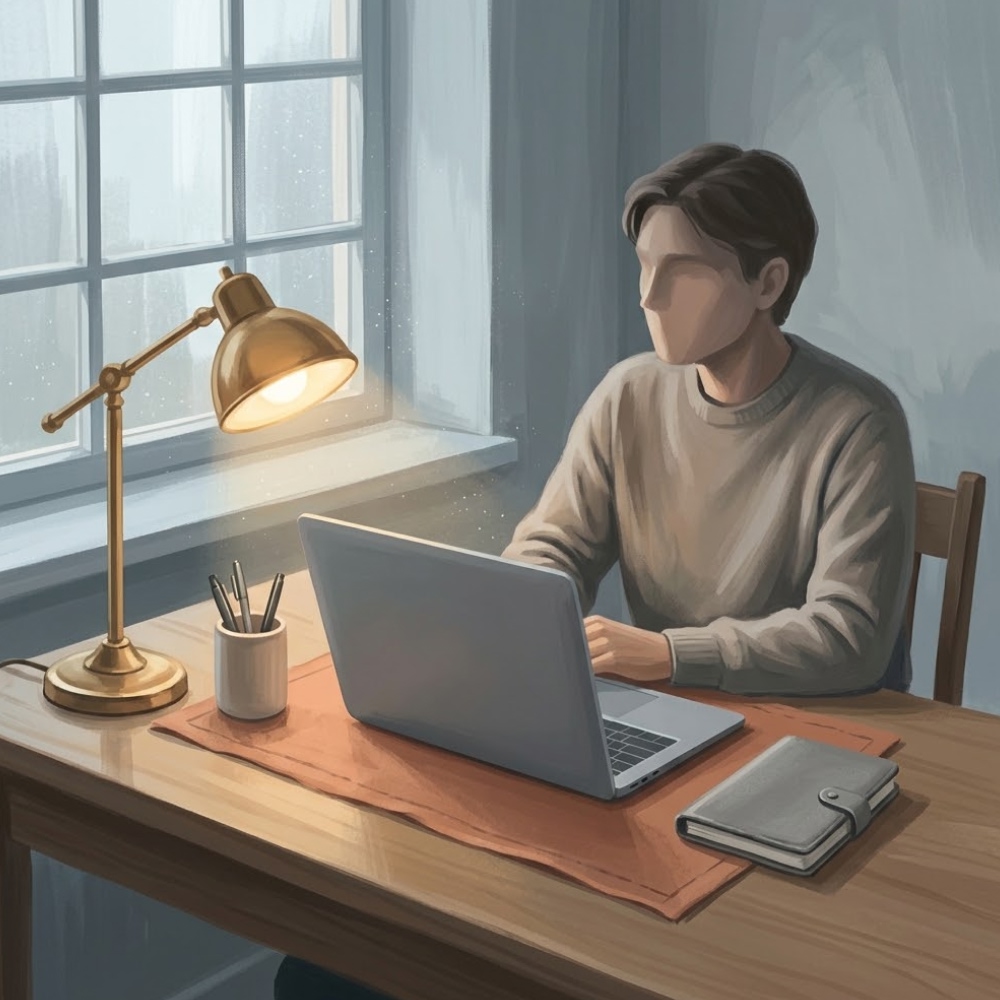
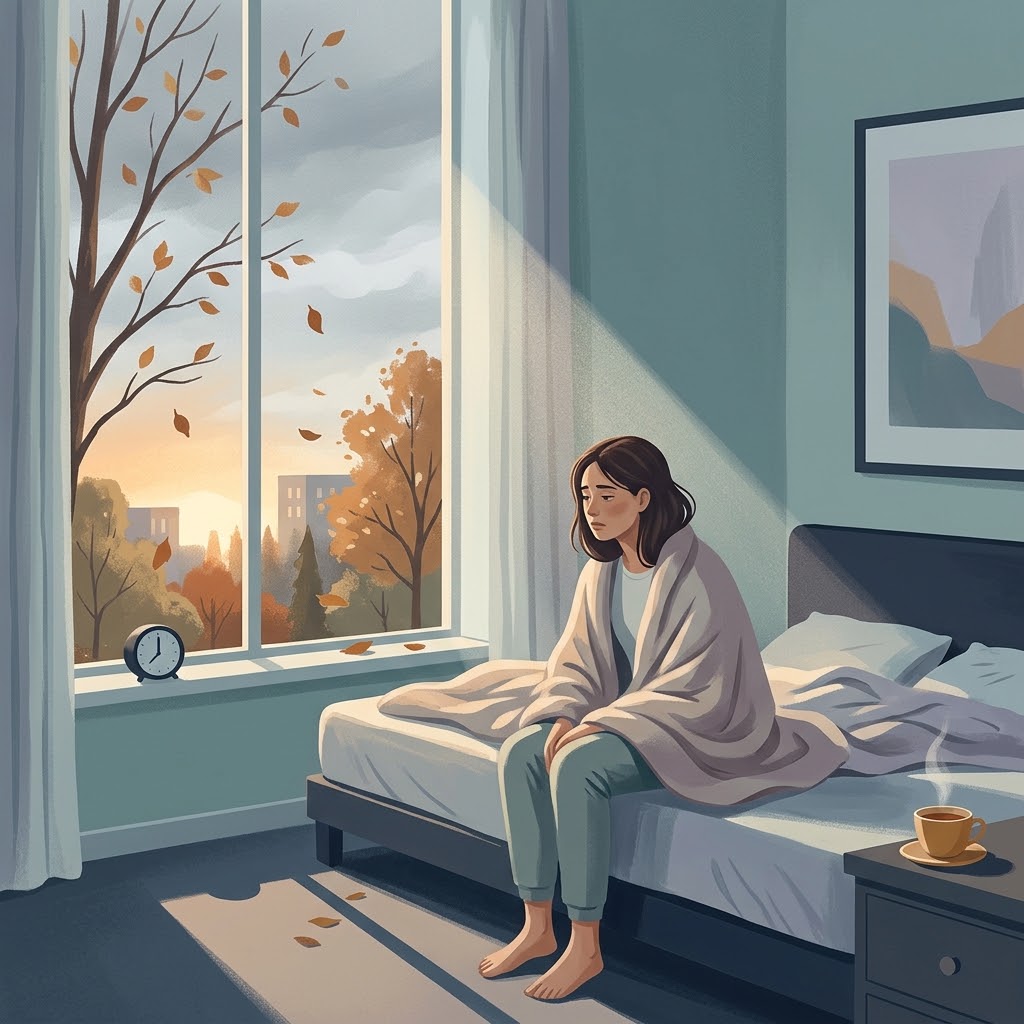
The sun sets earlier. Motivation dips. Getting out of bed suddenly feels harder than it did in July. If this pattern shows up every year around the same time, you might be dealing with seasonal depression, not just a rough week.
What Seasonal Depression Actually Is
Formally known as seasonal affective disorder, it’s a type of depression tied to the changing seasons, most often triggered by shorter days and reduced sunlight starting in fall. According to the National Institute of Mental Health, symptoms typically begin in late fall or early winter and ease on their own as spring approaches.
Why Less Sunlight Hits So Hard
Reduced daylight can throw off your internal body clock and lower serotonin levels, both of which affect mood regulation. It also disrupts melatonin production, which is part of why this condition often comes with excessive sleepiness rather than the insomnia seen in other forms of depression.
Signs It’s More Than Just “Fall Blues”
Occasional low energy as the weather changes is normal. Seasonal depression tends to involve a consistent, weeks-long dip: persistent low mood, oversleeping, carbohydrate cravings, and a noticeable drop in motivation that returns at the same time every year.
What Actually Helps With Seasonal Depression
Light therapy boxes, timed to mimic natural morning sunlight, are one of the most well-supported tools for this condition. Getting outside during daylight hours, even briefly, keeping a consistent sleep schedule, and staying socially connected through the darker months all help reduce the severity for many people.
The Bottom Line
Seasonal depression is a real, recognized condition, not just a case of “missing summer.” If the same low period returns every fall like clockwork, it’s worth mentioning to a doctor rather than waiting it out alone each year.
Want to understand how this connects to depression more broadly? Read our guide on Sad or Depressed? The Easiest Way to Tell for a related look.